PureHealth’s announcement of 100 hires opens a bigger conversation about accessible recruitment, useful adjustments and the chance to build a career.
A job can offer an income, a routine and the chance to become good at something that matters. It can also give a person room to make plans: for a qualification, a more senior role or a different kind of future. Inclusive employment is worth discussing in those ordinary, practical terms.
In September, PureHealth announced that 100 People of Determination had joined roles across its Care and Cover network through a partnership with Abu Dhabi’s Department of Community Development, supported by the Department of Health – Abu Dhabi. The figure is a meaningful starting point for a conversation about access to work. What follows recruitment deserves just as much attention.
More than one route into healthcare
According to the company’s announcement, the appointments span finance, marketing, human resources, operations and clinical functions. Participating organisations include SEHA, PureLab, Daman and Sheikh Shakhbout Medical City, among other network businesses.
That variety matters. A healthcare system depends on many forms of expertise, and an accessible career conversation should begin with someone’s skills and ambitions. The announcement also refers to tailored training, accessibility and long-term development through PureHealth’s Empowering Abilities initiative. It does not provide detailed retention results or individual accounts of how those arrangements are working.
Those gaps are a reason to keep asking good questions, rather than to invent a success story for the people pictured at a launch. No employee interviews were conducted for this article. The hiring figure is attributed to PureHealth, and the everyday experience of those staff remains theirs to describe.
Make the work possible
The International Labour Organization distinguishes between general accessibility and an adjustment tailored to one person. Accessible spaces, information and tools remove barriers across a workplace. A reasonable accommodation responds to a particular employee’s needs, which may remain even in a generally accessible environment.
Its practical guide to workplace adjustments describes changes that can include equipment, the organisation of work, tasks or working time. The useful starting point is a conversation about the actual job and the individual, rather than a standard assumption about a disability.
For a manager, that can mean making instructions available in an accessible format, checking whether a training platform works with assistive technology, or allowing a different way to participate in a meeting. These are examples to consider with the employee, not a description of accommodations independently verified at PureHealth.
Look beyond the first day
A welcoming induction is valuable. Access to the next training course, project and promotion matters too. A team can ask whether employees have a clear person to contact about barriers, whether adjustments are reviewed as work changes and whether confidential concerns can be raised safely.
For someone considering an opportunity, useful questions include how the application and interview process can be adapted, what the role actually involves and how development is supported. These questions help make an offer concrete. Applicants should not have to guess whether an invitation to join extends to the practical conditions needed to do the work.
The measure of progress over time should include how people stay, develop and describe their own experience, alongside how many people are hired. That approach gives room for both achievement and improvement.
PureHealth’s announcement brings a welcome range of roles into view. The larger opportunity is to make accessible employment part of normal working life: a place to contribute, learn, be fairly recognised and decide what comes next.
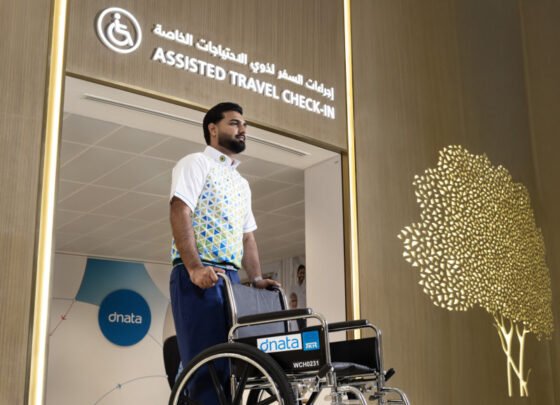
Lead image: Participants at the event marking PureHealth’s announcement of 100 People of Determination hires. Courtesy of PureHealth.