Reusing a bottle is a small act. Designing a service that people can keep using is a much bigger challenge, and a more useful ambition for residential life.
An empty detergent bottle rarely feels like an environmental decision. It is usually a reminder that there is another household job to do. Replace it before the laundry piles up. Remember which product works. Find space for the new bottle and dispose of the old one.
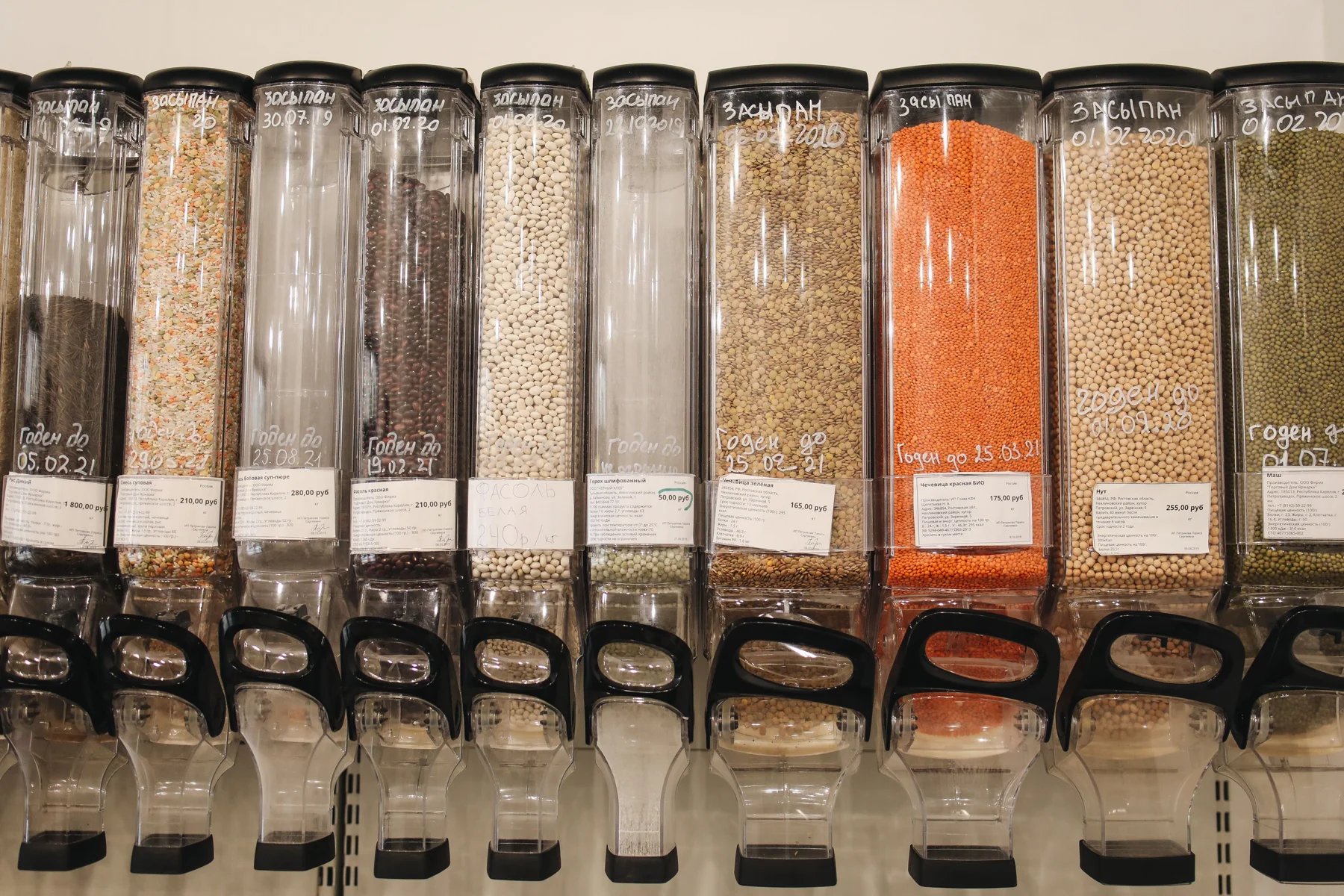
A refill station changes that familiar sequence. The container stays; its contents are replenished. Yet the appeal depends on something less photogenic than a row of dispensers. The station must be easy to reach, stocked with a suitable product and straightforward to use on the day the bottle actually runs out.
That is what makes refill an interesting idea for a residential building. The opportunity is not to ask people to become different kinds of consumers overnight. It is to shorten the distance between an ordinary household need and a less wasteful way of meeting it.
Convenience is the point
In its January 2026 community update, Treppan Living describes a refill approach based on stations within the community, starter kits at move-in and app-recorded transactions. It also discusses expansion into additional product categories. The proposal places refill close to home rather than making it the purpose of a separate shopping trip.
The attraction is easy to understand. A service used downstairs can become part of a familiar route. But convenience is not established by an address alone. An empty dispenser, a confusing payment process or an unsuitable product can send someone back to the supermarket. A promising concept must survive these small disappointments.
For the resident, the questions are wonderfully concrete. What can I refill? How much will it cost? Is the price for a litre or a concentrated dose? Which container should I use? What happens if the machine is unavailable? A good service makes the answers obvious before anybody has to ask.
Those questions also guard against a common misunderstanding: refill is not automatically cheaper. A fair comparison needs the same quantity and function, not merely a lower number on the label. A concentrated product and a ready-to-use one may require quite different amounts for the same task.

A bottle can become part of a system
Chile’s Algramo offers a useful example of refill designed as a service rather than a specialist shopping ritual. The company presents reusable packaging as something bought once. In the Ellen MacArthur Foundation’s account of its model, dispensing machines recognise RFID-equipped containers, linking the pack to the product and payment system. Customers can obtain the quantity they need.
The example matters because it treats the container as a working part of distribution, not a souvenir of an environmental campaign. It also shows that digital technology can be useful when it removes a step. Technology that adds another password, complicated registration or a difficult app interface could have the opposite effect.
A residential programme should therefore be tested with the people who will actually use it. Can someone unfamiliar with the building complete a refill? Is assistance available? Can the controls be reached comfortably? Does a resident have a workable alternative when a phone is lost or its battery is flat?
These are not peripheral details. They decide whether the station serves the whole community or only its most confident users.
Count the repeat visits
Reuse has several forms. The Ellen MacArthur Foundation’s framework distinguishes refilling a container at home or elsewhere from returning packaging for a business to collect, clean and refill. The distinction is practical: it determines who looks after the container and how the next cycle happens.
For a station inside a residential community, clarity about that responsibility should be part of the experience. The operator needs suitable procedures for dispensing and cleaning; residents need product-specific instructions for the containers they bring. A household-product model should not casually be treated as equivalent to one dispensing food or drinking water.
The most persuasive evidence would be ordinary and repeatable: how often containers come back, how much product is dispensed, how many new packs are avoided and what packaging remains upstream. A refill system still has deliveries, equipment and cleaning requirements. Counting a bottle avoided at the resident’s end does not, by itself, describe the whole environmental balance.
There is also a quieter measure of success. Does the service still feel worthwhile after the novelty has worn off? Does it fit the hurried week, the unexpected guest, the forgotten shopping list?
Treppan Living’s refill idea is strongest when seen through that lens. It is less about displaying a sustainable lifestyle than making one household task a little more sensible. The useful bottle is not the one brought home with the best intentions. It is the one that keeps coming back full.