A greenhouse, a cup of coffee and somewhere to sit without a plan: the promise of Treppan’s café concept lies as much in everyday company as in the leaves it grows.
A good neighbourhood café earns its place through repetition. The coffee before the working day begins. The short break between errands. A table where reading alone feels comfortable, and where meeting someone does not require organising an entire evening. Its importance can be difficult to capture in an amenities brochure because so much depends on how an ordinary Tuesday feels.
That is a useful way to approach the Greenhouse Café, part of the Treppan Living proposition. Rather than starting with the technology, start with the person who would use it. What would make someone leave their apartment for half an hour? What would make them return? And could growing food become part of that familiar experience, rather than simply its decoration?
The Distance Between a Plant and a Plate
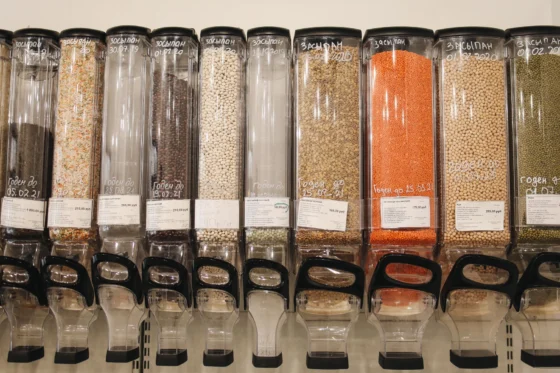
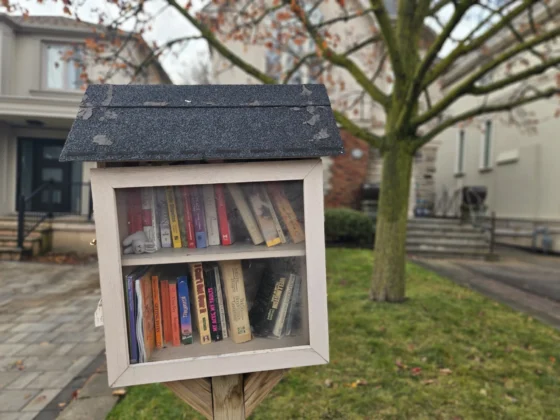
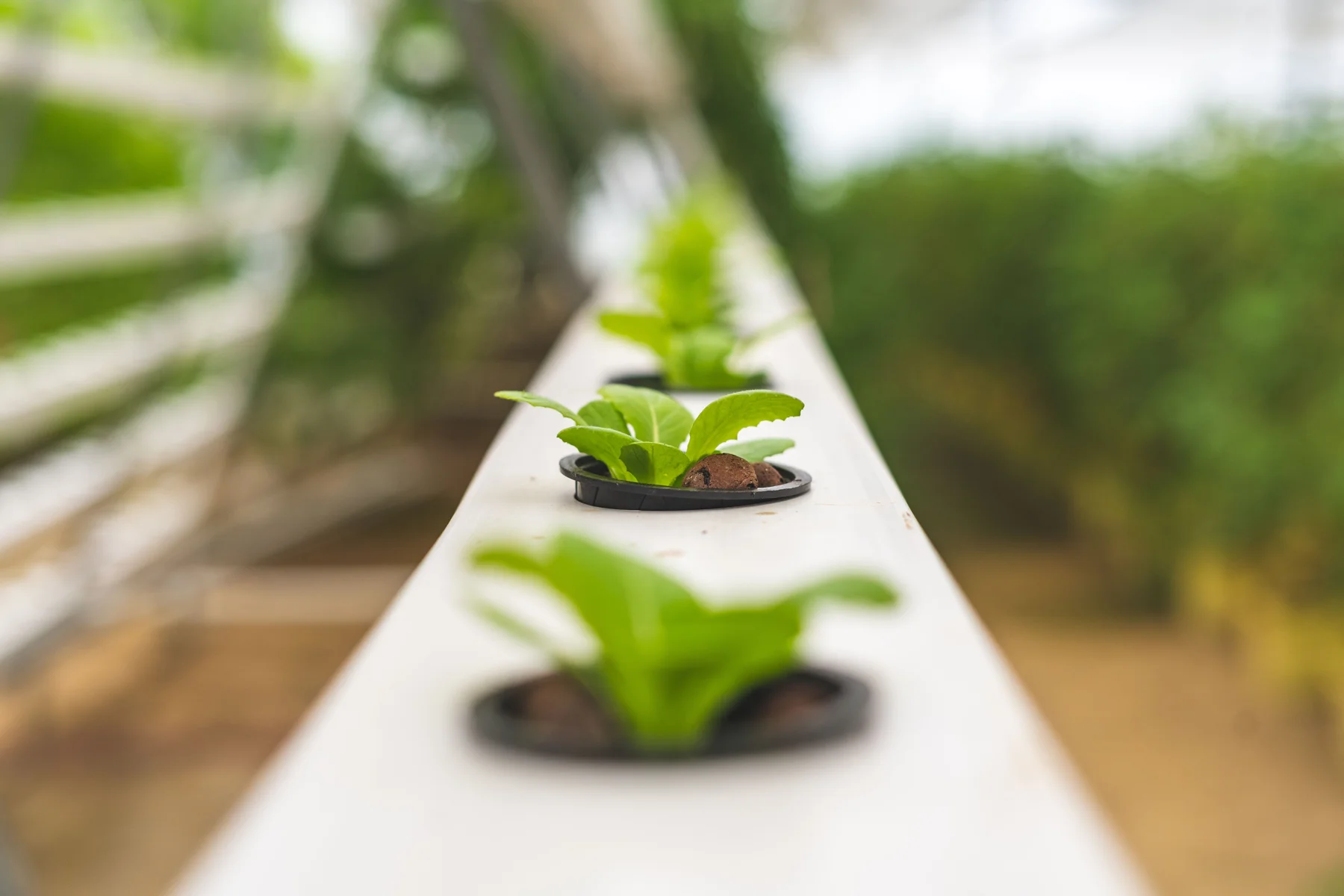
Treppan’s community update brings together a café, hydroponic greenery and a shared bookshelf. A later resident newsletter describes herbs and leafy vegetables growing in a circulating nutrient solution for use in the café. These are the outlines of a place where food production can become visible to the people eating it.
There is an earlier brand example to draw on. In a public post, Treppan Living identified a Greenhouse Café at Treppan Hotel & Suites by Fakhruddin, describing a visit by its chief executive. That is a specific precedent, rather than evidence that every planned residential café has opened. The proposed cafés at Maimoon Gardens, Treppan Tower and Treppan Vision remain presented as coming soon.
For a resident, the attraction need not begin with an environmental calculation. It might be the pleasure of seeing a herb before it becomes an anonymous garnish. For a child, a growing leaf offers something concrete to ask about. For a cook, proximity invites a conversation about what is ready today. Those are possibilities for the café to cultivate, rather than outcomes that can be assumed from installing a growing system.
A Farm Can Also Be a Place to Meet
Paris offers a larger-scale example of agriculture designed to be encountered. In its own published programme, Nature Urbaine combines rooftop food production with growing plots, educational visits, workshops and events. The point of comparison is the relationship between producing food and inviting people into the process, not a claim that the Paris and Dubai projects have identical conditions or footprints.
A residential café could work on a smaller, more frequent rhythm. An occasional explanation from the grower might be more useful than a screen full of sustainability slogans. A simple sign naming the crop and the last harvest could make the system understandable. A seasonal dish could give people a reason to notice that plants change, even in a carefully managed environment.
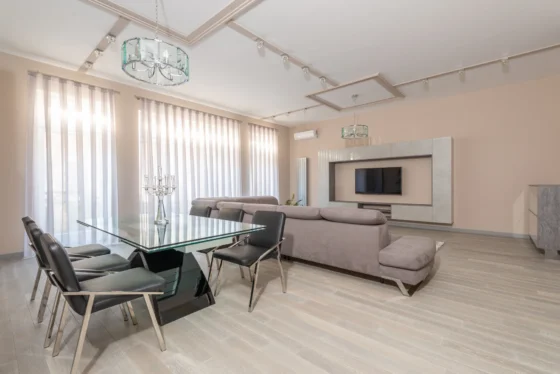
The setting matters, too. A place intended for neighbours needs room for different kinds of company: conversation at one table, solitude at another, a parent with a pushchair, someone stopping briefly on their way home. These are design questions as much as hospitality questions. A café can be photogenic and still be uncomfortable to use.
The Care Behind the Greenery
Hydroponics does not remove the work of growing. The University of Minnesota’s practical guidance describes checks on water, nutrients, plumbing, pests and sanitation. It also makes clear that plants grown without soil can still suffer pest and disease problems.
That gives the café a more interesting human story than a promise of effortless abundance. Someone has to look after the crop. Someone notices a struggling plant, checks the system and decides when to harvest. The people doing that work should be part of the experience, with their expertise made visible rather than hidden behind an automated-looking display.
The same honesty should extend to the environmental story. A meaningful account would show how much of the menu the garden supplies, where the remaining ingredients come from, and what resources the growing system uses. A handful of herbs can be valuable without being presented as a self-sufficient food system. Specificity makes the idea more credible, not less appealing.
A Reason to Come Downstairs
The most persuasive measure of a neighbourhood café may be whether it becomes useful enough to stop feeling like an amenity. Can someone afford to make it a regular habit? Is it open when neighbours are actually home? Can a person arrive without feeling obliged to turn the visit into an occasion?
For Treppan, these questions offer a practical ambition for the Greenhouse Café. Grow something people can see and eat. Make the service dependable. Give the room a welcoming everyday rhythm. Then allow the less predictable part, the conversation between people who happen to live nearby, to develop in its own time.
A café cannot manufacture belonging. It can give it a comfortable place to begin.