Carrying shopping, climbing stairs and keeping up with the people you love are good reasons to make room for resistance training.
A suitcase goes into the overhead locker. A heavy door needs holding open. You get up from a low chair with your hands full. Much of the strength we use is so woven into ordinary life that we notice it most when something becomes difficult.
That makes a practical question a useful starting point for exercise: what would you like to keep doing comfortably in the years ahead? Your answer might have little to do with the gym mirror. It can still give a training programme a clear purpose.
Think in tasks, then find the training
The US National Institute on Aging describes strength training as one way older adults can improve muscle strength and support mobility and independence. It cannot stop ageing, and the appropriate starting point varies from person to person. Its value is easier to understand when connected to something you want your body to do.
Tell a qualified trainer or physiotherapist about that task. “I want to feel steadier on the stairs” creates a different conversation from “I want to get fit”. Ask which movements they would begin with and how those relate to your goal. If a programme feels like a collection of unfamiliar exercises, request the explanation in everyday language.
Strength work has a place in Dubai’s training scene beyond competitive sport. ROAR Fitness, whose co-founder Sarah Lindsay is a three-time Olympian, is one local example of a business built around coached training. An athlete’s background can be interesting, but choosing your own coach still requires attention to the way they teach, adapt and listen.

Keep aerobic movement in the picture
General CDC guidance for adults combines at least 150 minutes of moderate-intensity aerobic activity a week with muscle-strengthening activity on two or more days. The strengthening work should include the major muscle groups. These are complementary parts of an active life, rather than competing camps to choose between.
Walking, cycling, swimming or another activity you enjoy can sit alongside resistance work. You can also spread activity into smaller portions. Someone who is inactive may need to build towards the guideline gradually, with advice suited to their health and abilities. A target should offer direction, without becoming a reason to abandon a smaller beginning.
For older adults, NHS guidance also makes room for balance and flexibility. If you have fallen or feel unsteady, seek appropriate professional guidance rather than borrowing a challenging routine from a video.
Make the first sessions a learning period
You do not need to arrive knowing how to use every machine. Ask for a simple introduction, enough time to practise and permission to ask the same question twice. Find out how an exercise can be adjusted and what to do if it causes pain or unusual symptoms.
The NHS recommends starting strengthening work gradually and building over time. Resistance can come from weights, bands or body weight; buying elaborate equipment is not the prerequisite. The suitable choice is the one you can use safely and progress with, given your circumstances.
If you have a medical condition, recent injury, unexplained symptoms or concerns about returning to activity, discuss the plan with a healthcare professional. A good coach should be comfortable recognising where their role ends and clinical advice is needed.
Choose progress you can recognise
Keep a small record of what you practised, how it felt and any question for the next session. As the weeks pass, you might notice better control in an exercise or more confidence with an everyday task. Those observations help make reviews more useful than a photograph alone.
There will be weeks when work, travel or illness interrupt your plan. Agree a manageable version for those periods rather than assuming every week will offer the same time and energy. A programme you can return to has more room to become part of your life.
The aim is personal and ordinary: having enough capacity for the things that matter to you. Starting with that picture makes strength training less abstract, and gives the effort a reason beyond the next workout.
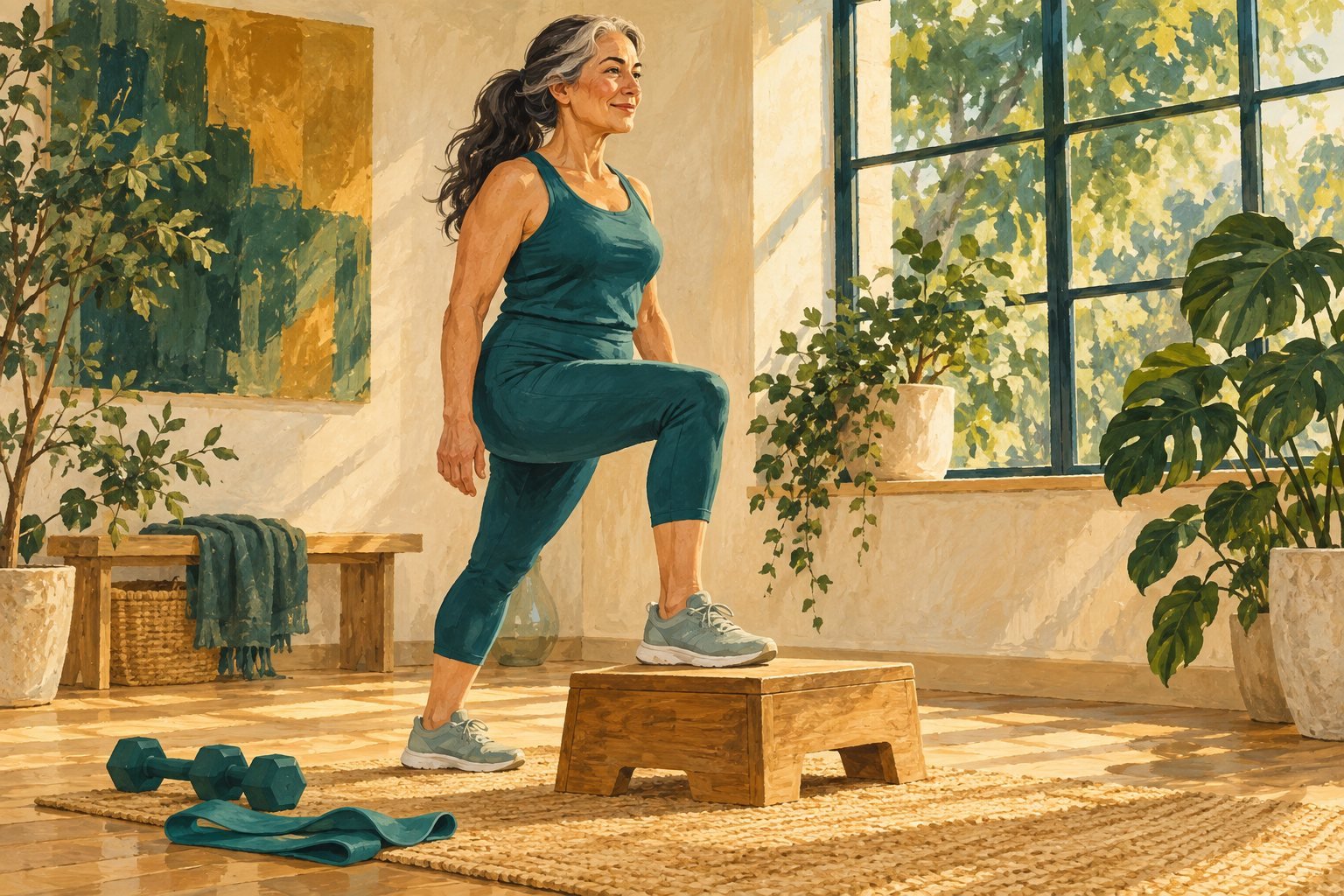
Lead image: Strength has a place in everyday life at every stage of adulthood. Original AI-assisted editorial illustration; no real person or venue is depicted. Treppan Magazine / AI-assisted editorial illustration.