After a break, the useful first step is a routine you can come back to. Here is how to make restarting feel manageable.
You have found your trainers, looked at the timetable and remembered what you used to be able to do. That last part can make returning to exercise unexpectedly awkward. An old pace, a familiar weight or a once-easy class becomes the standard you think you should meet immediately.
A break changes the starting conversation. You are choosing what works for you now, with the time, confidence and energy available this week. There is no missed month of exercise to repay.
In a recent guide, Chloe Minet, director of Dubai movement studio DRYP, encouraged people returning after summer to resist doing everything at once. The useful part of that advice extends beyond a season: make a beginning that leaves you able and willing to return.
Choose one realistic appointment
Before planning an ideal week, identify a single time you can genuinely protect. Include the journey, changing and anything you need to do afterwards. A short session close to home may fit more reliably than a class you have to race across the city to reach.
Decide what happens when that time disappears. Your alternative could be a walk, an easier session at home or another suitable slot later in the week. Giving yourself a fallback is a practical way to stop a busy Tuesday from cancelling the rest of your plan.
If you like company, agree a simple arrangement with someone who enjoys a similar pace. If you prefer quiet, choose it. There is little value in building the whole routine around a format you already dread.
Let the first session be a check-in
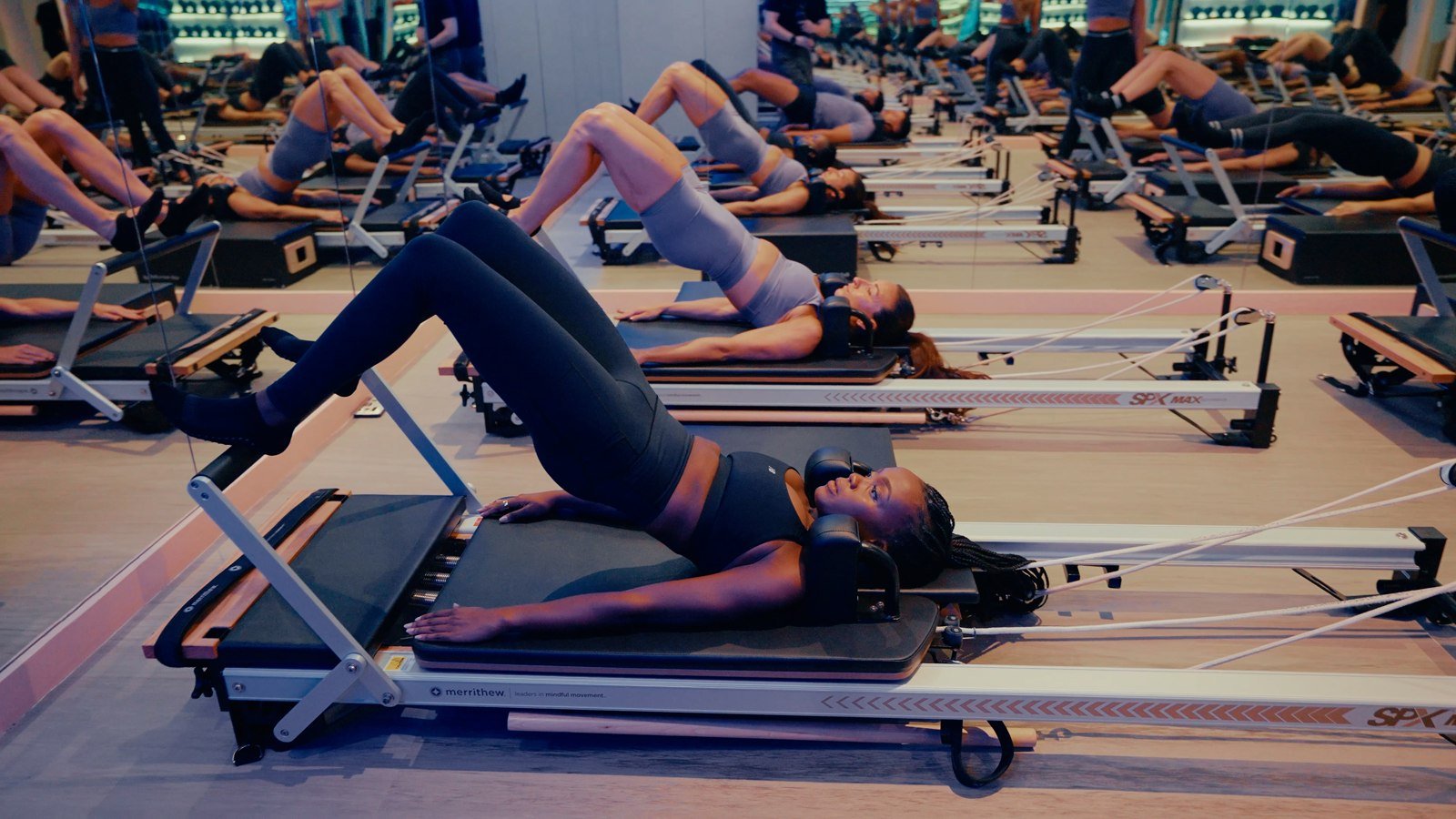
The NHS advises matching activity and intensity to your fitness, and speaking with a GP first if you have not exercised for some time or have medical concerns. Tell an instructor you are returning after a break, particularly if an injury, illness or another health change was involved.
Ask for a less demanding option when you need one. Familiarity with an exercise does not require you to use the same load or pace as before. Give yourself space to notice how you feel and to ask about technique. Stop and seek appropriate advice if you develop pain or concerning symptoms rather than trying to prove that you can finish.
Start with movement you can repeat
Walking can provide an uncomplicated way back into a more active day. The NHS walking guide suggests building up gradually if you are not very active, with comfortable footwear and a pace suited to you. Brisk walking counts towards aerobic activity; a short walk is a legitimate place to begin.
In the UAE, consider comfort and conditions when deciding where and when to move. An indoor route or a cooler time of day may fit the plan better than insisting on an exposed outdoor session. The point is to make the next outing more likely, without adding an unnecessary obstacle.
Measure more than effort
After a session, jot down a few useful details. Was the journey manageable? Did you understand the instructions? Would you choose that class again? Did anything need adjusting? These answers help you build a routine around your actual experience.
The World Health Organization emphasises that some activity is better than none and that movement in everyday life counts. You can recognise a helpful change before you have a perfect weekly timetable or a dramatic result to display.
Leave room to recover and revise
Do not fill every available gap simply because the first week feels exciting. Leave space for ordinary sleep, meals, rest and the rest of your life. Review the plan after you have tried it, rather than defending the version you wrote when your calendar was empty.
If the routine is too demanding, make it smaller. If one format feels uncomfortable or unwelcoming, try another appropriate option. Progress can begin with a modest discovery: you have found a way of moving that you can imagine doing again next week.
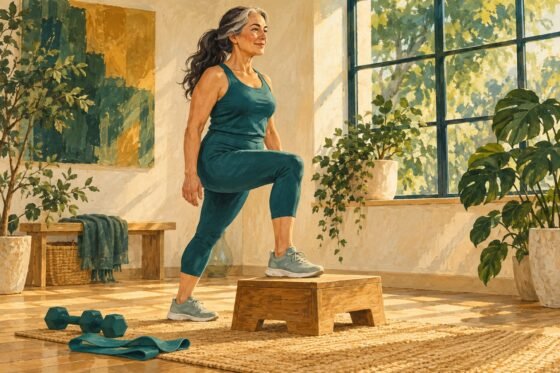
Lead image: A manageable beginning makes room for the next walk. Original AI-assisted editorial illustration; no real person or studio is depicted. Treppan Magazine / AI-assisted editorial illustration.