Treppan Magazine
  • Home
  • Better You
    • Health
    • Wellness
    • Fitness
    • Sleep
  • Better Life
    • Community
    • Food & Cooking
    • Arts & Culture
    • Travel
    • Automation
    • Artificial Intelligence
  • Better Planet
    • Conservation
    • Waste & Resources
    • Climate
  • Your Neighbourhood
  • About
Treppan Magazine
Treppan Magazine
  • Home
  • Better You
    • Health
    • Wellness
    • Fitness
    • Sleep
  • Better Life
    • Community
    • Food & Cooking
    • Arts & Culture
    • Travel
    • Automation
    • Artificial Intelligence
  • Better Planet
    • Conservation
    • Waste & Resources
    • Climate
  • Your Neighbourhood
  • About
  • Better Planet
  • Waste & Resources

How Hotel Kitchens Turn Food Trimmings into New Dishes

  • October 4, 2026
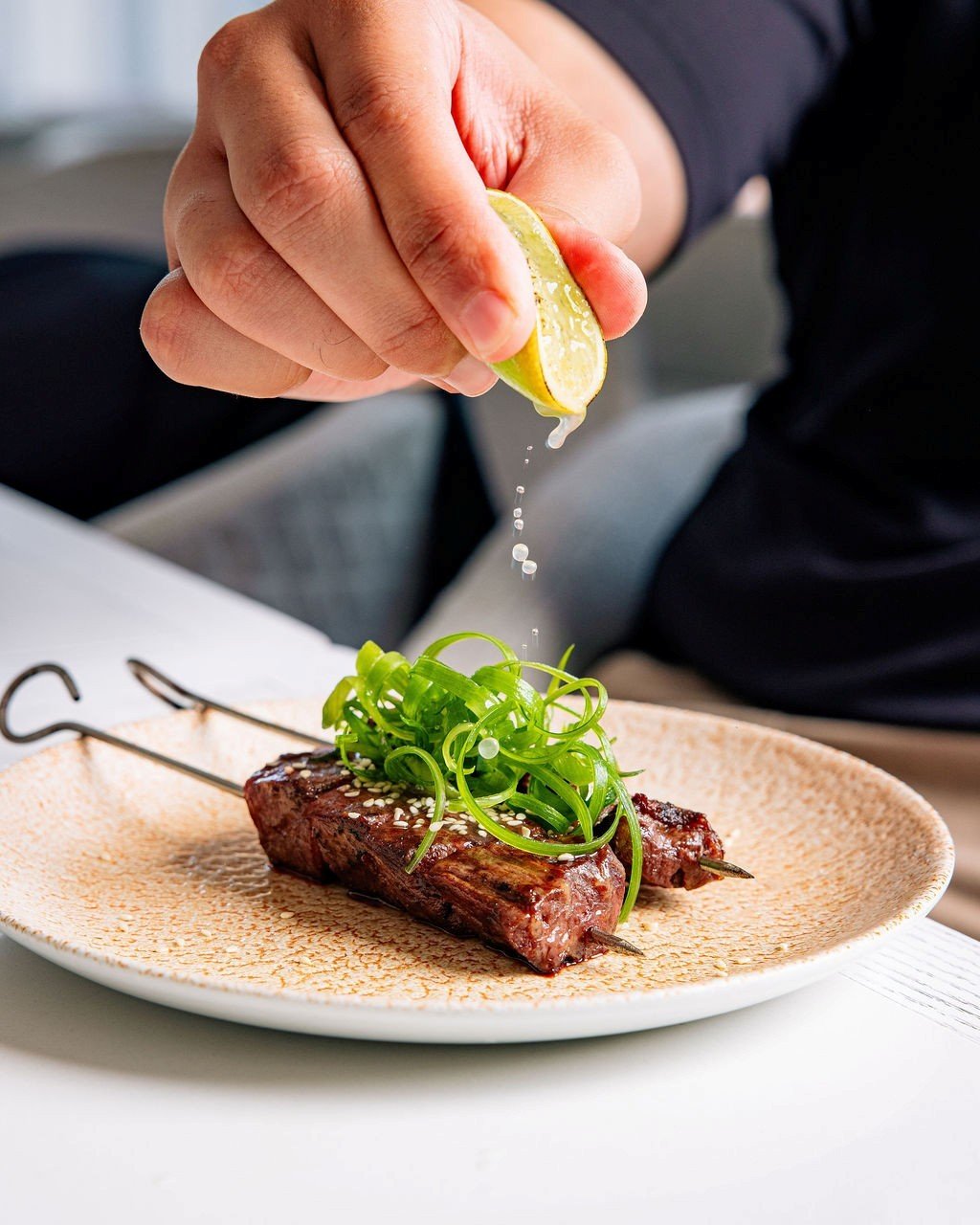
Kushiyaki Wagyu beef skewers at The Langham, Gold Coast, in an image supplied with the group’s kitchen upcycling announcement.
Kushiyaki Wagyu beef skewers at The Langham, Gold Coast, in an image supplied with the group’s kitchen upcycling announcement. Courtesy Langham Hospitality Group.
Total
0
Shares
0
0
0

From orange-peel compote to carefully used fish trimmings, hotel kitchens offer ideas for getting more flavour from food already on hand.

An orange can offer more than a glass of juice. At Cordis, Auckland, the peels and pulp left by the breakfast juicer are used to make a marmalade compote served with yoghurt. The idea is appealing because the second use belongs naturally beside the first: one breakfast ingredient becoming another.

The example comes from a July 2026 account of ingredient-use projects across Langham Hospitality Group. The group says its culinary and bar teams have been developing recipes around the particular surplus or trimmings their own operations produce. That is a useful starting point for a kitchen of any size: notice what is repeatedly left over, then find a good use that fits the way people already eat.

The Auckland hotel estimates that its compote uses about 390 kilograms of peel and pulp a year that would otherwise be discarded. It is a hotel-reported estimate, not an independently measured saving for the whole group.

Follow the ingredient, then the recipe

At The Langham, Boston, the group describes a fish burger using fresh cod and salmon trimmings from portions prepared for another menu. At The Langham, Gold Coast, beef trimmings from one kitchen become skewers served elsewhere in the hotel, while fat is rendered for another culinary use.

The important word is fresh. These examples concern ingredients and edible preparation offcuts kept within a controlled kitchen process. They are not an invitation to rescue spoiled food or reuse diners’ plate waste. Good ingredient use begins with the same attention to safe handling, storage and suitability as any other cooking.

The method also relies on coordination. One team needs to know what another will have available, in what quantity and when. A recipe earns a lasting place when it is enjoyable to eat and practical to prepare, so the second use becomes part of the routine rather than a special demonstration.

Flavour in the overlooked parts

The group’s bar examples turn to aroma. Citrus peel is used in infusions at the Gold Coast, while Eaton HK describes cocktails using excess peel and spent coffee grounds from its own drinks preparation. These are professional-kitchen examples, rather than tested recipes for readers to reproduce from this article.

What they share is a different way of looking at an ingredient. A trimming may still have flavour, texture or another culinary quality worth using. Thinking about those qualities can make the next dish feel like an opportunity rather than a compromise.

At home, that thinking works best with modest ambitions. A plan for the ingredients already in the fridge is more likely to help than a complicated project requiring several additional purchases. The first question can simply be what needs using next.

Three cocktails at The Langham, Gold Coast
Cocktails at The Langham, Gold Coast, where the group says excess citrus peels are used in house infusions. Courtesy Langham Hospitality Group.

Start with the food you enjoy

The US Environmental Protection Agency’s household guidance recommends checking cupboards and the fridge before shopping, planning realistic quantities and making safe use of edible parts. It also encourages clear labels for food stored for later, so useful ingredients do not disappear from view.

For example, a familiar soup or frittata can be a flexible way to use appropriate vegetables and other ingredients while they are still safe to eat. Freezing suitable food before it is likely to be wasted can create an easier meal another day. Storage instructions and food safety always take priority over a desire to avoid the bin.

These small acts sit at the top of a wider food-waste approach. Preventing edible food from being wasted keeps the resources invested in it working for their original purpose: feeding people.

The hotel examples are a reminder that resourcefulness can be pleasurable. A compote, a skewer or a well-considered second dish gives an ingredient another chance to be enjoyed. The most useful version is the one a kitchen can keep doing.

Lead image: Kushiyaki Wagyu beef skewers at The Langham, Gold Coast, in an image supplied with the group’s kitchen upcycling announcement. Courtesy Langham Hospitality Group.


Total
0
Shares
Share 0
Tweet 0
Pin it 0
Previous Article
Warm wood-screened Mind Oasis reclining spaces in Rituals press imagery.
  • Better You
  • Wellness

Rituals Mind Oasis in Dubai: What to Know before Booking

  • October 4, 2026
Read story
Next Article
Participants wearing headphones on floating mattresses at a nighttime rooftop pool session.
  • Better You
  • Wellness

Floating Breathwork in Dubai: What to Know before Booking Breasy

  • October 4, 2026
Read story
You May Also Like
Qadreya Al Awadhi in a black abaya, standing against a pale background
Read story
  • Better Planet
  • Waste & Resources

Qadreya Al Awadhi: What Local Food Means at the Family Table

  • ssharaf
  • October 8, 2026
A vessel structure at Drydocks World in Dubai, in an image supplied with its July 2026 ship recycling announcement.
Read story
  • Better Planet
  • Waste & Resources

How Ships Are Recycled: Recovering Materials and Managing Hazardous Waste

  • Treppan Magazine
  • October 4, 2026
Low water at Lake Mead in an archival photograph taken on 13 June 2010. The image illustrates drought and does not show current conditions.
Read story
  • Better Planet
  • Climate

Preparing for Drought before the Crisis

  • Treppan Magazine
  • October 4, 2026
A Red Sea Global resort villa at dusk, supplied with the DarkSky certification announcement.
Read story
  • Better Planet
  • Conservation

How Responsible Outdoor Lighting Protects Wildlife and Dark Skies

  • Treppan Magazine
  • October 4, 2026
Steppe in Mongolia’s Gorkhi-Terelj National Park, photographed in June 2011. An illustrative archive landscape, not one of the restoration sites described.
Read story
  • Better Planet
  • Conservation

How Mongolia’s Herders and Researchers Restore Grasslands

  • Treppan Magazine
  • October 4, 2026
An underwater survey image supplied with Soneva Jani’s OECM announcement.
Read story
  • Better Planet
  • Conservation

Soneva Jani’s Conservation Area: What the Designation Means

  • Treppan Magazine
  • October 4, 2026
Workers remove captured material beside a river interception barrier in the supplied Panama City project photographs.
Read story
  • Better Planet
  • Waste & Resources

How Panama City’s River Cleanup Aims to Keep Plastic Out of the Sea

  • Treppan Magazine
  • October 4, 2026
White rhinos in a photograph supplied with Anantara’s Victoria Falls conservation announcement.
Read story
  • Better Planet
  • Conservation

The Conservation Work behind Rhino Relocation in Zimbabwe

  • Treppan Magazine
  • October 3, 2026
Tréppan Living

Ideas for a Better Everyday.

Tréppan Magazine explores wellbeing, useful technology, culture and sustainable living. Rooted in the UAE and open to the world, with a thoughtful perspective on how we care for ourselves, our homes and the planet.

Inspired by Tréppan Living’s conscientious commitment to Culture, Community, Commerce and Connection.

Our Story
Our Philosophy
Our Editorial Approach

Explore the Magazine
Better You
  • Health
  • Wellness
  • Fitness
  • Sleep
Better Life
  • Community
  • Food & Cooking
  • Arts & Culture
  • Travel
  • Automation
  • Artificial Intelligence
Better Planet
  • Conservation
  • Waste & Resources
  • Climate
Connect

For editorial enquiries, story ideas and collaborations.

info@treppanmagazine.com

Treppan Living
Office 1405, 14th Floor
Lake Central Tower
Marasi Drive, Business Bay
Dubai, United Arab Emirates

Contact Us & Find Us
Discover Tréppan Living ↗

Treppan Magazine
  • All Stories
  • About Tréppan Magazine
  • Contact Us
Better You. Better Life. Better Planet.

Input your search keywords and press Enter.