The Bumblebee Food founder’s agricultural role opens a useful conversation about where ingredients come from, how food reaches us and which questions are worth asking before we buy.
A locally made meal can feel like a straightforward choice. There is a business nearby to support, perhaps a familiar name on the packaging, and a shorter distance between the kitchen that prepared it and your own. The ingredients, however, have a journey of their own. Understanding that journey is where a more useful conversation about local food begins.
For Qadreya Al Awadhi, founder and chief executive of UAE children’s food business Bumblebee Food, that connection starts with a family farm. In background supplied by her representatives, she describes an upbringing shaped by seeing how food moves from soil to table. Bumblebee calls its approach “Farm to Freezer”, with ready-made frozen meals and an emphasis, the company says, on local produce.
A Place in the Wider Food Conversation
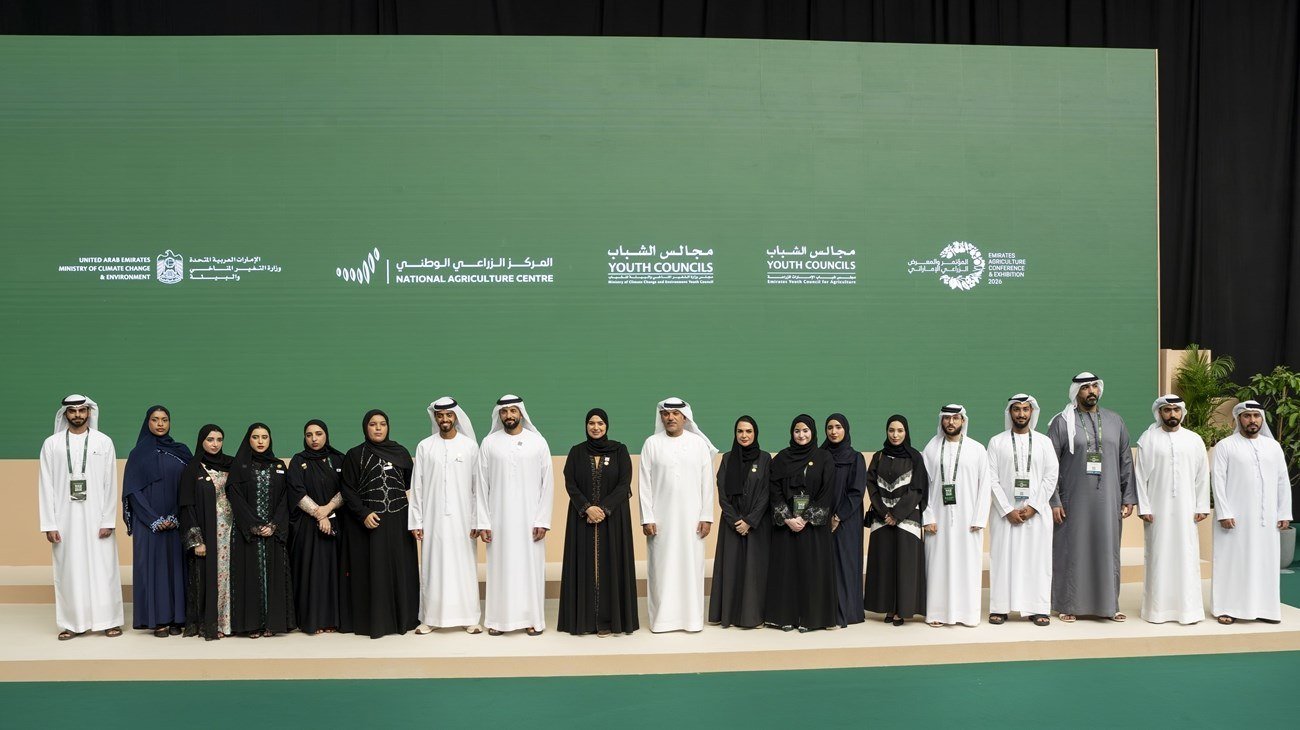
A September announcement from Bumblebee’s representatives named Al Awadhi a Youth Ambassador of Agriculture, a role also recorded in Gulf News’s profile of Emirati women. The announcement says her work will include research, awareness activities and educational visits linked to the UAE’s food-security ambitions.
“Through this council, we have a unique opportunity to bridge agricultural heritage with modern innovation,” Al Awadhi said in the supplied announcement.
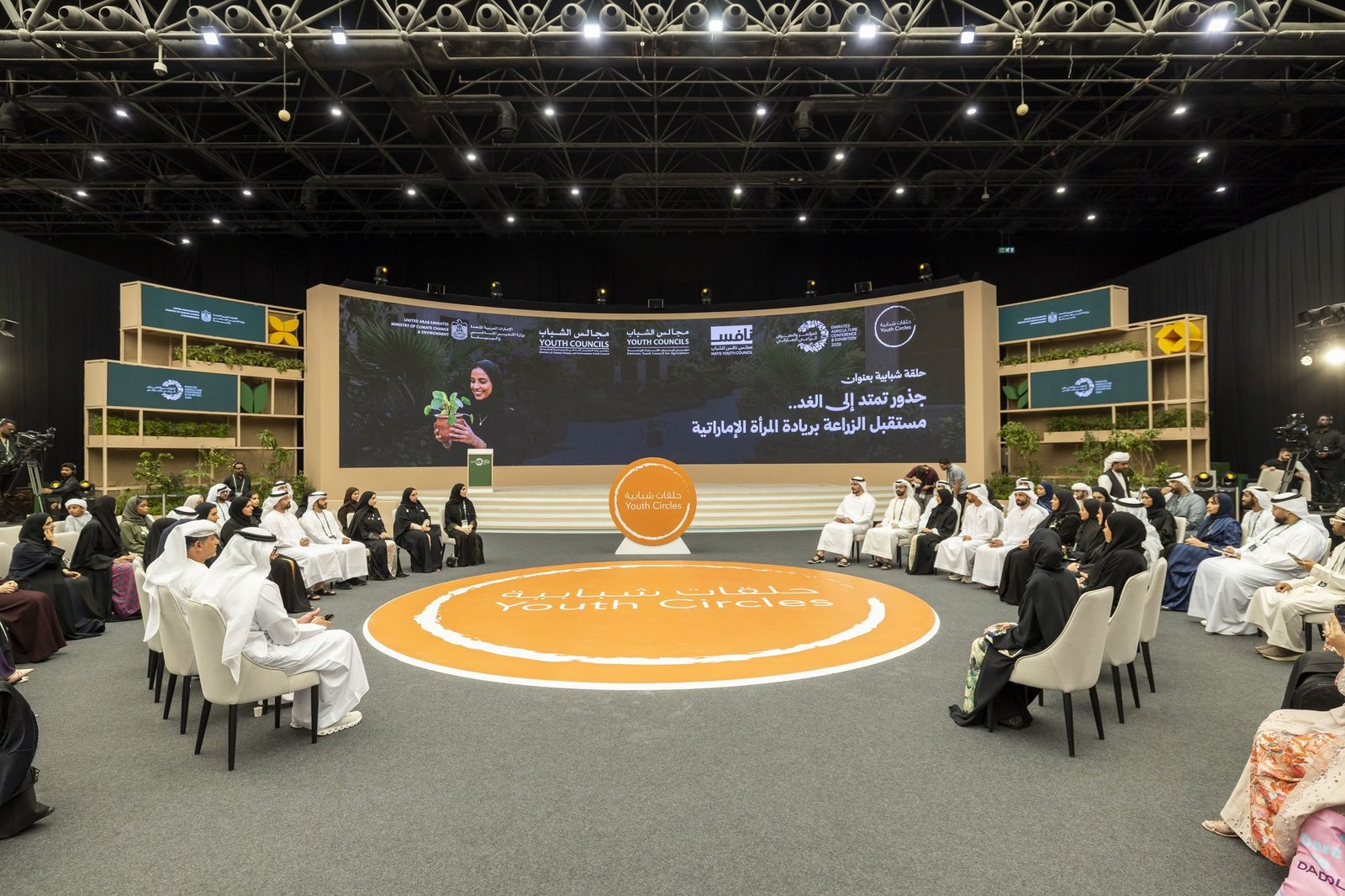
The broader AgriYouth programme, under the Federal Youth Authority, describes a practical mix of councils, workshops, farm visits and entrepreneurship. For families, the relevance is close to home: the food on the table depends on growers, processors, transport and storage working together.
Look along the Whole Journey
Location tells us something useful, but a food’s environmental impact has several parts. The UN Food and Agriculture Organization identifies processing, packaging, transport, distribution and resource efficiency as important considerations. Cooling is part of that picture too: FAO’s food-system emissions work includes energy use and refrigeration gases across the cold chain.
That makes specific information more useful than a broad green description. Bumblebee’s announcement says it plans to strengthen relationships with UAE farms, but does not quantify the share of ingredients grown locally or provide a measured environmental footprint. Its sourcing ambition is worth following; the release alone cannot establish that its meals have a lower impact than alternatives.
Four Questions for the Next Food Shop
- Where were the ingredients grown? Ask separately where a meal was prepared. A locally based brand may use ingredients from several countries.
- What is actually in this product? Read the ingredient list, allergen information, intended age range and preparation instructions for the particular meal.
- Will this fit the way we eat? Consider portion size, storage space and whether the food is likely to be used. Convenience is most useful when it works in the household’s actual routine.
- What supports the environmental claim? Named farms, a defined sourcing percentage or measured waste reduction give a reader more to assess than an adjective alone.
Al Awadhi’s story is a reminder that the family table belongs to a much larger system. A manageable first step is to choose one food you buy regularly and learn a little more about its route to your home. Better questions make that route easier to see.