Treppan Magazine
  • Home
  • Better You
    • Health
    • Wellness
    • Fitness
    • Sleep
  • Better Life
    • Community
    • Food & Cooking
    • Arts & Culture
    • Travel
    • Automation
    • Artificial Intelligence
  • Better Planet
    • Conservation
    • Waste & Resources
    • Climate
  • Your Neighbourhood
  • About
Treppan Magazine
Treppan Magazine
  • Home
  • Better You
    • Health
    • Wellness
    • Fitness
    • Sleep
  • Better Life
    • Community
    • Food & Cooking
    • Arts & Culture
    • Travel
    • Automation
    • Artificial Intelligence
  • Better Planet
    • Conservation
    • Waste & Resources
    • Climate
  • Your Neighbourhood
  • About
  • Better Planet
  • Conservation

Coffee Farming and Forest Conservation at Costa Rica’s Volcán Azul

  • October 3, 2026
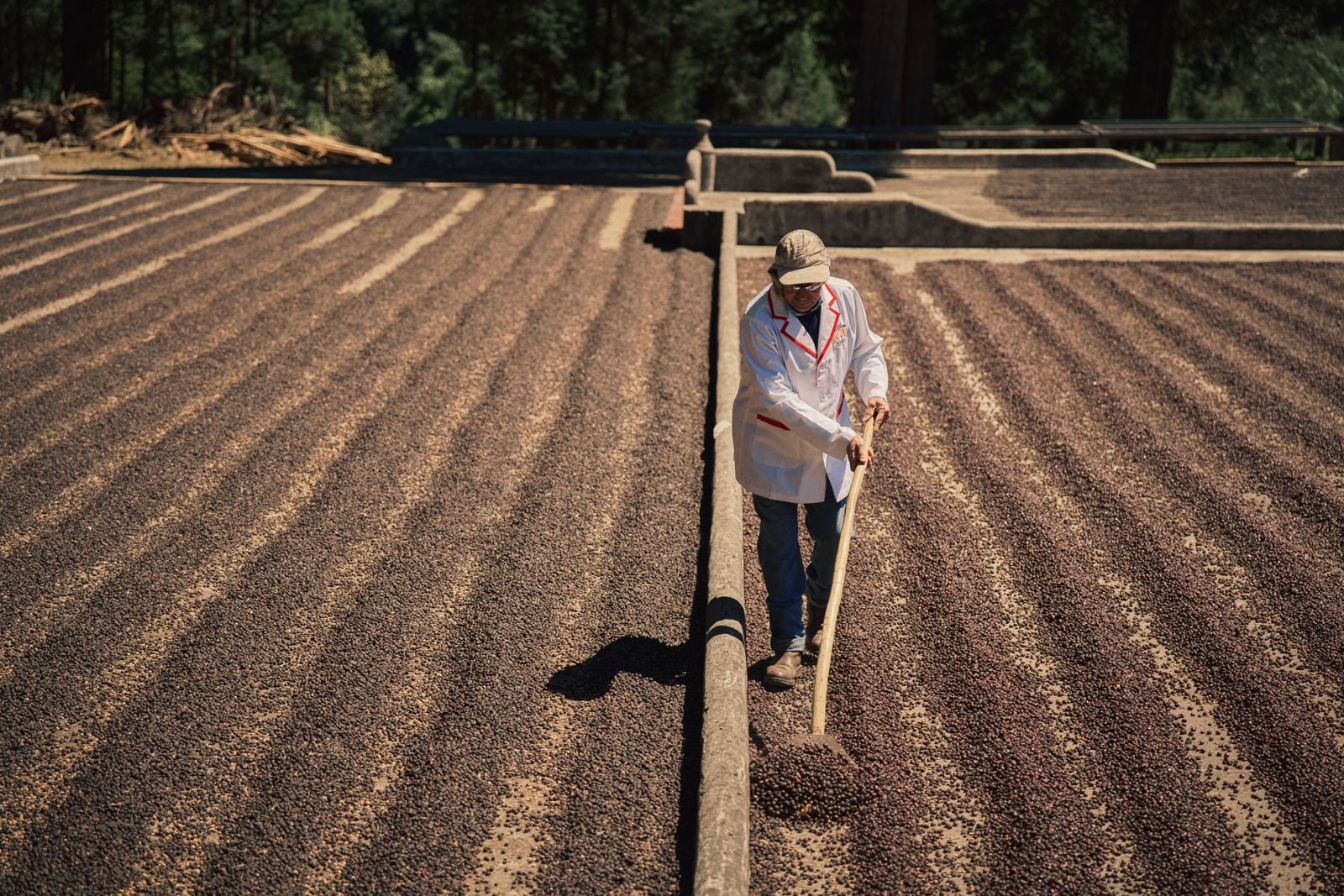
Coffee being worked across drying patios in Costa Rica, photographed for Bacha Coffee’s Journeys to the Source series.
Coffee being worked across drying patios in Costa Rica, photographed for Bacha Coffee’s Journeys to the Source series. Bacha Coffee.
Total
0
Shares
0
0
0

A new film from Costa Rica invites a closer look at the trees, skills and growing decisions behind a familiar daily ritual.

Before coffee becomes a drink, it is a crop growing in a landscape. That simple fact can disappear somewhere between the menu, the tasting notes and the first sip. A new film centred on Costa Rica’s Volcán Azul estate offers a reason to look back towards the farm and ask what good coffee growing makes room for.

Bacha Coffee released Costa Rica: Pura Vida, Pura Tierra on 1 October 2026, as the second instalment of its Journeys to the Source series. Directed by Fraser Morton, it follows the company’s head of coffee procurement and production, Rüdiger Freytag, through cultivation, processing and tasting. It is a brand-produced film, so it is best approached as an introduction to the producer’s work rather than an independent sustainability audit.
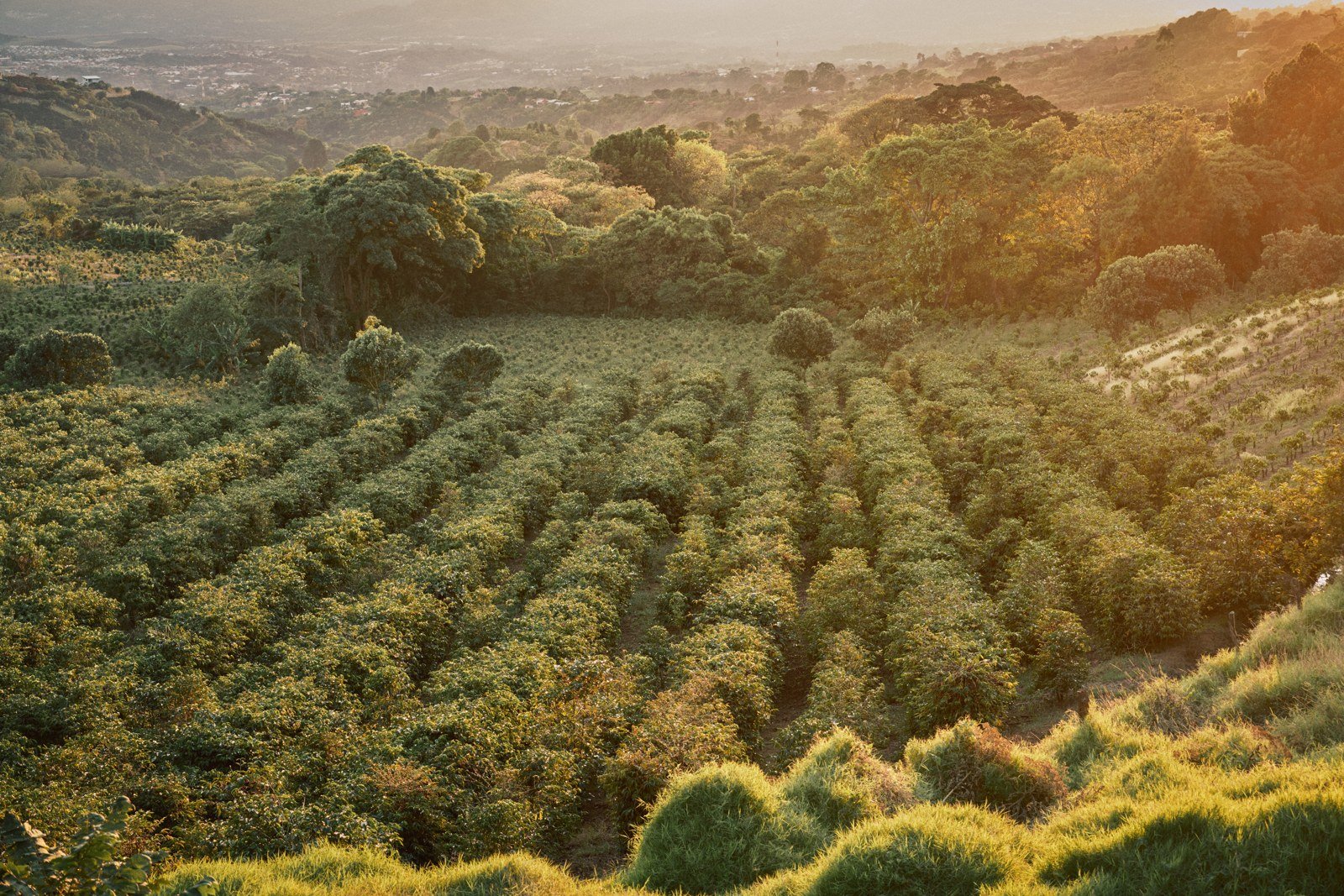
Coffee plantation and trees in Costa Rica’s Grecia region
A plantation in Costa Rica’s Grecia region, as identified in the supplied film-series imagery. Image: Bacha Coffee.

What belongs around the coffee tree?

Volcán Azul’s own account places the family’s coffee-growing tradition in the nineteenth century and describes farms in several Costa Rican regions. It also says the family has acquired rainforest for conservation since the 1980s. Farming and forest protection are presented as responsibilities to pass between generations.

The film’s release gives a more specific figure for the estate it visits: approximately 220 hectares devoted to conservation out of 300 hectares. That figure is Bacha Coffee’s account. It should not be confused with the family’s wider rainforest holdings, which the producer describes separately. Clear boundaries matter whenever a product story attaches an environmental claim to a landscape.

There is a broader scientific reason to pay attention to trees in coffee country. The Smithsonian Migratory Bird Center’s review of shade-grown coffee research describes benefits that can include wildlife habitat, soil protection, pollination and natural pest control. The quality and diversity of the canopy matter. A few scattered trees and a structurally varied, forest-like growing system do not provide the same habitat.
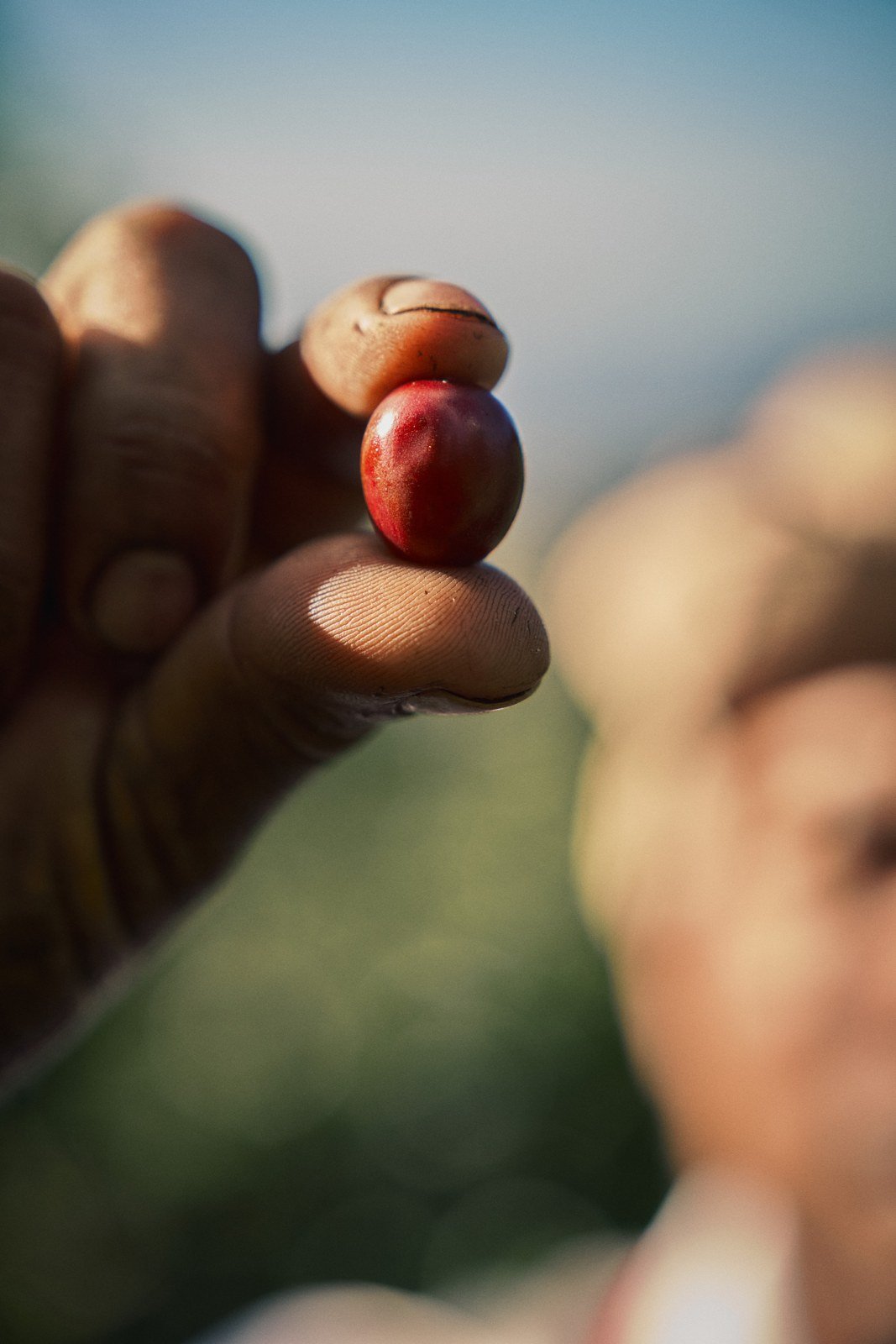
A freshly picked red coffee cherry held between fingers
A ripe coffee cherry in Bacha Coffee’s Costa Rica film series. Image: Bacha Coffee.

Taste comes from a chain of decisions

The release describes the estate’s attention to ground cover, shade trees and reduced herbicide use, alongside experiments in varieties and processing. It links cooler growing conditions with slower cherry development. The connection between land management and flavour is a useful invitation to curiosity, though flavour by itself cannot verify an environmental claim.

After harvest, another set of decisions begins. In honey processing, some of the sticky fruit material around the seed remains during drying. The name refers to that mucilage, rather than the addition of bee honey. With washed processing, the fruit is removed before drying. Each route demands attention to handling and drying conditions and can contribute to differences in the finished cup.

This is where an origin story becomes more interesting than a luxurious description. A coffee’s identity includes the people deciding when to pick, which lot to separate and how carefully to process it. The price or packaging cannot tell that whole story.
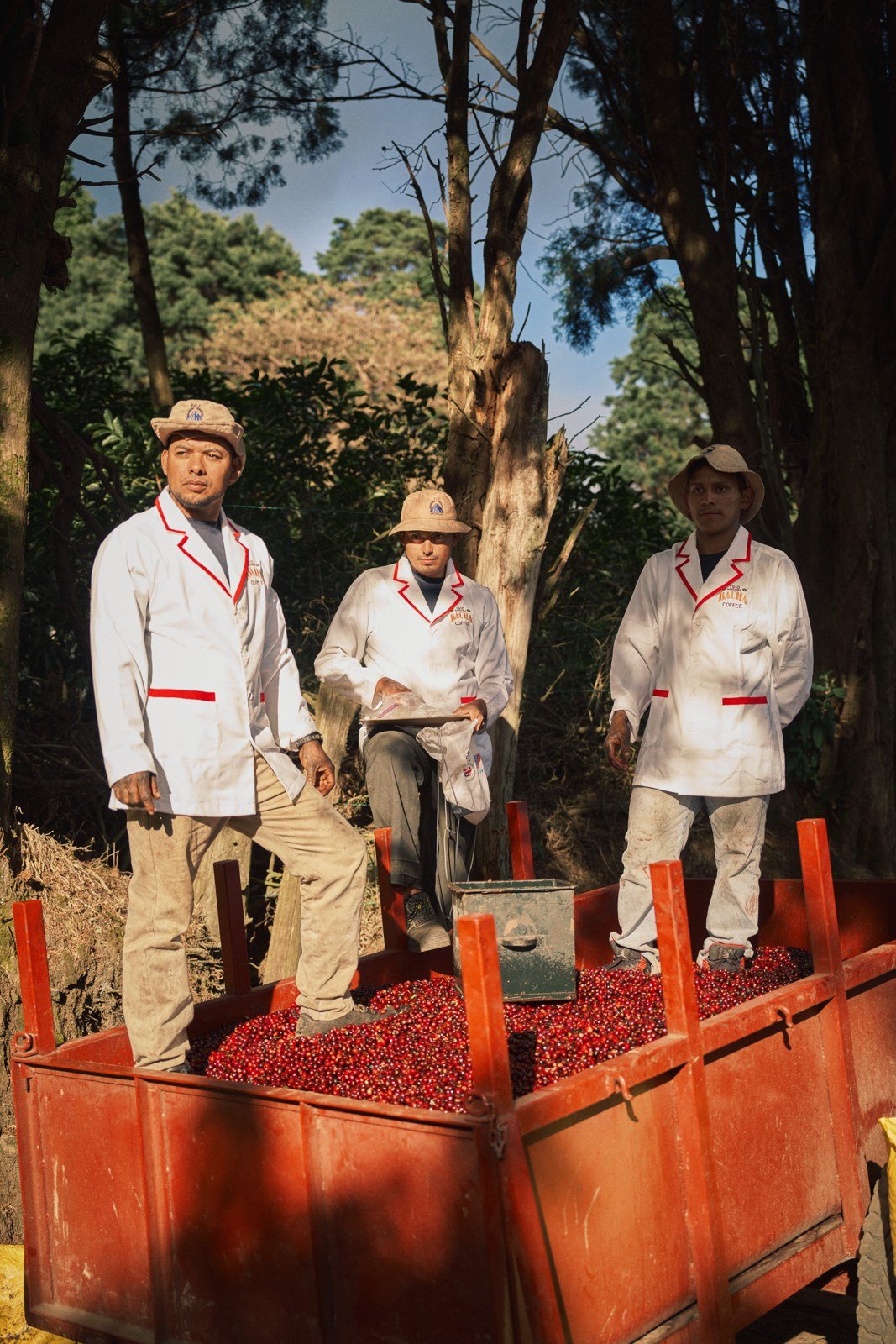
Coffee workers beside a container of harvested red cherries
Workers after cherry picking, from Bacha Coffee’s Costa Rica film series. Image: Bacha Coffee.

Ask for evidence alongside the story

For drinkers who want to connect their purchase with better farming, useful questions are specific. Which farm and harvest does the coffee come from? What practices are documented? Does any certification apply to this particular coffee, and what does that certification assess?

The Smithsonian’s Bird Friendly programme is one example of an independently inspected standard built around habitat protection. Mentioning it here does not mean Volcán Azul or Bacha Coffee holds that certification. It illustrates the difference between a general description such as shade-grown and a defined set of criteria that can be checked.

A film cannot answer every question about a supply chain. It can, however, make the farm feel less distant. The next cup becomes an opportunity to notice a richer set of ingredients: growing knowledge, patient processing and the living landscape that makes a harvest possible.

Lead image: Coffee being worked across drying patios in Costa Rica, photographed for Bacha Coffee’s Journeys to the Source series. Bacha Coffee.

Total
0
Shares
Share 0
Tweet 0
Pin it 0
Previous Article
Earth photographed by the Apollo 17 crew in 1972. Illustrative image; not an exhibit or a photograph of Natural History Museum Abu Dhabi.
  • Arts & Culture
  • Better Life

Natural History Museum Abu Dhabi: Family Activities and October Events

  • October 3, 2026
Read story
Next Article
A dental mirror and toothbrush in a soft, welcoming setting.
  • Better You
  • Health

How to Make Dental Visits Easier for an Anxious Child

  • October 3, 2026
Read story
You May Also Like
Qadreya Al Awadhi in a black abaya, standing against a pale background
Read story
  • Better Planet
  • Waste & Resources

Qadreya Al Awadhi: What Local Food Means at the Family Table

  • ssharaf
  • October 8, 2026
A vessel structure at Drydocks World in Dubai, in an image supplied with its July 2026 ship recycling announcement.
Read story
  • Better Planet
  • Waste & Resources

How Ships Are Recycled: Recovering Materials and Managing Hazardous Waste

  • Treppan Magazine
  • October 4, 2026
Kushiyaki Wagyu beef skewers at The Langham, Gold Coast, in an image supplied with the group’s kitchen upcycling announcement.
Read story
  • Better Planet
  • Waste & Resources

How Hotel Kitchens Turn Food Trimmings into New Dishes

  • Treppan Magazine
  • October 4, 2026
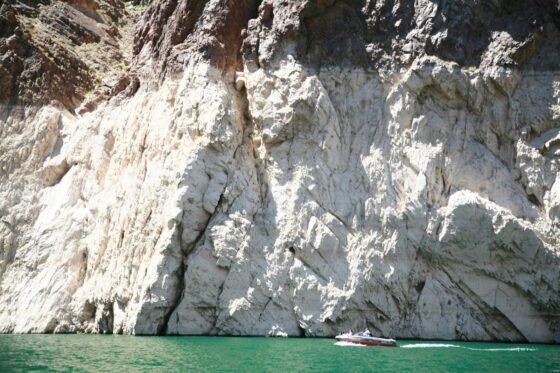
Low water at Lake Mead in an archival photograph taken on 13 June 2010. The image illustrates drought and does not show current conditions.
Read story
  • Better Planet
  • Climate

Preparing for Drought before the Crisis

  • Treppan Magazine
  • October 4, 2026
A Red Sea Global resort villa at dusk, supplied with the DarkSky certification announcement.
Read story
  • Better Planet
  • Conservation

How Responsible Outdoor Lighting Protects Wildlife and Dark Skies

  • Treppan Magazine
  • October 4, 2026
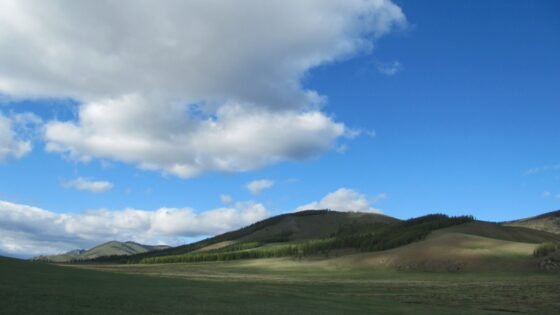
Steppe in Mongolia’s Gorkhi-Terelj National Park, photographed in June 2011. An illustrative archive landscape, not one of the restoration sites described.
Read story
  • Better Planet
  • Conservation

How Mongolia’s Herders and Researchers Restore Grasslands

  • Treppan Magazine
  • October 4, 2026
An underwater survey image supplied with Soneva Jani’s OECM announcement.
Read story
  • Better Planet
  • Conservation

Soneva Jani’s Conservation Area: What the Designation Means

  • Treppan Magazine
  • October 4, 2026
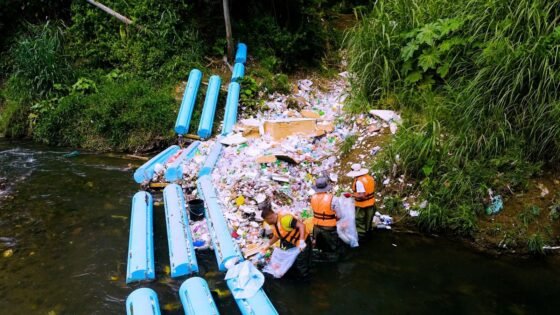
Workers remove captured material beside a river interception barrier in the supplied Panama City project photographs.
Read story
  • Better Planet
  • Waste & Resources

How Panama City’s River Cleanup Aims to Keep Plastic Out of the Sea

  • Treppan Magazine
  • October 4, 2026
Tréppan Living

Ideas for a Better Everyday.

Tréppan Magazine explores wellbeing, useful technology, culture and sustainable living. Rooted in the UAE and open to the world, with a thoughtful perspective on how we care for ourselves, our homes and the planet.

Inspired by Tréppan Living’s conscientious commitment to Culture, Community, Commerce and Connection.

Our Story
Our Philosophy
Our Editorial Approach

Explore the Magazine
Better You
  • Health
  • Wellness
  • Fitness
  • Sleep
Better Life
  • Community
  • Food & Cooking
  • Arts & Culture
  • Travel
  • Automation
  • Artificial Intelligence
Better Planet
  • Conservation
  • Waste & Resources
  • Climate
Connect

For editorial enquiries, story ideas and collaborations.

info@treppanmagazine.com

Treppan Living
Office 1405, 14th Floor
Lake Central Tower
Marasi Drive, Business Bay
Dubai, United Arab Emirates

Contact Us & Find Us
Discover Tréppan Living ↗

Treppan Magazine
  • All Stories
  • About Tréppan Magazine
  • Contact Us
Better You. Better Life. Better Planet.

Input your search keywords and press Enter.