An electric car battery can outlast its first job. When a vehicle is damaged, retired or needs a replacement pack, the battery does not automatically become waste. Its next destination depends on its condition, design and whether someone can use or recover it safely.
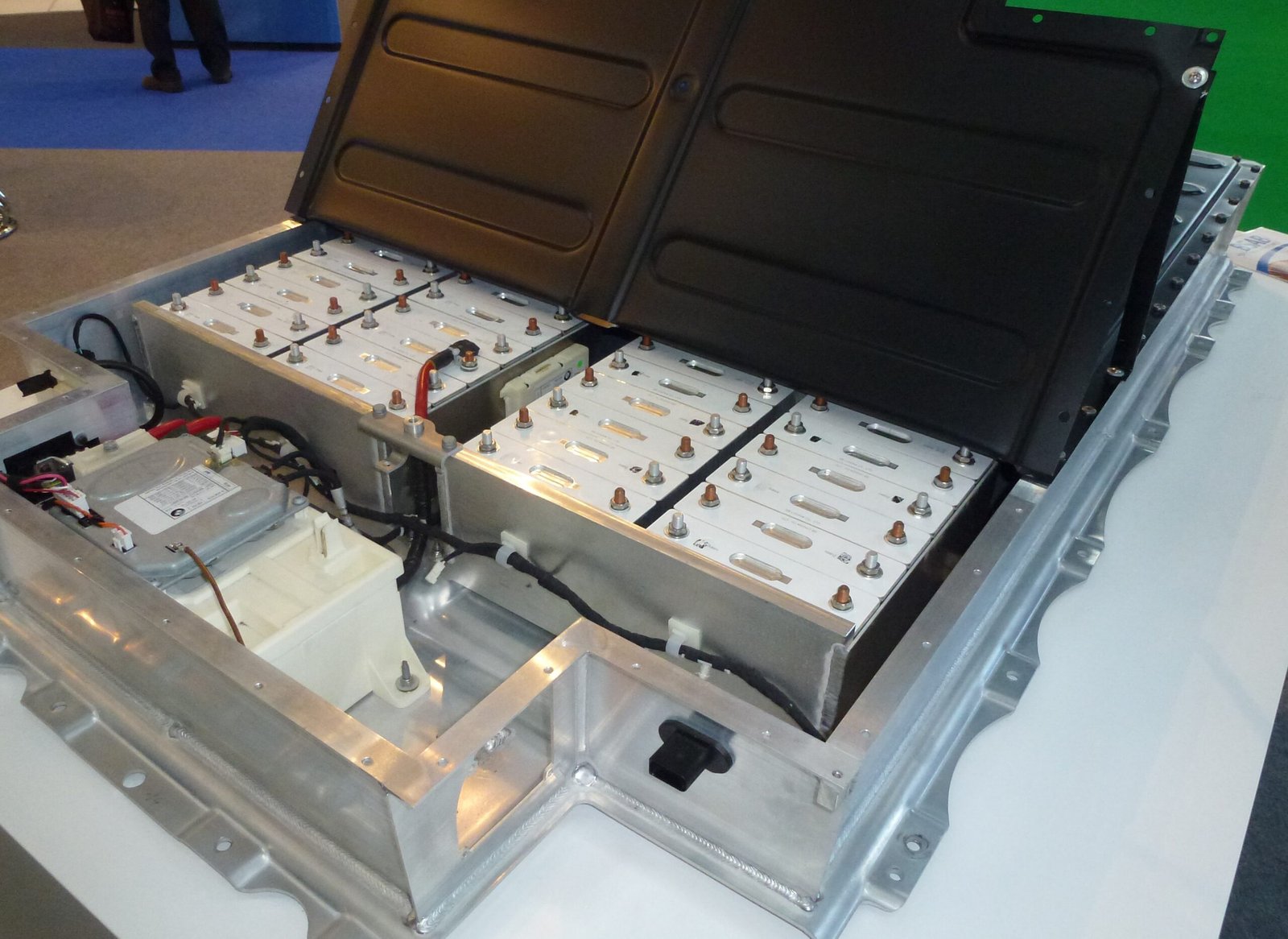
A battery pack is more than a single box. Many contain multiple modules, each made up of smaller cells, with electronics and connections that manage their performance. Designs differ between vehicles, which makes assessing and taking packs apart a specialised task. US Environmental Protection Agency.
First, Can It Be Used Again?
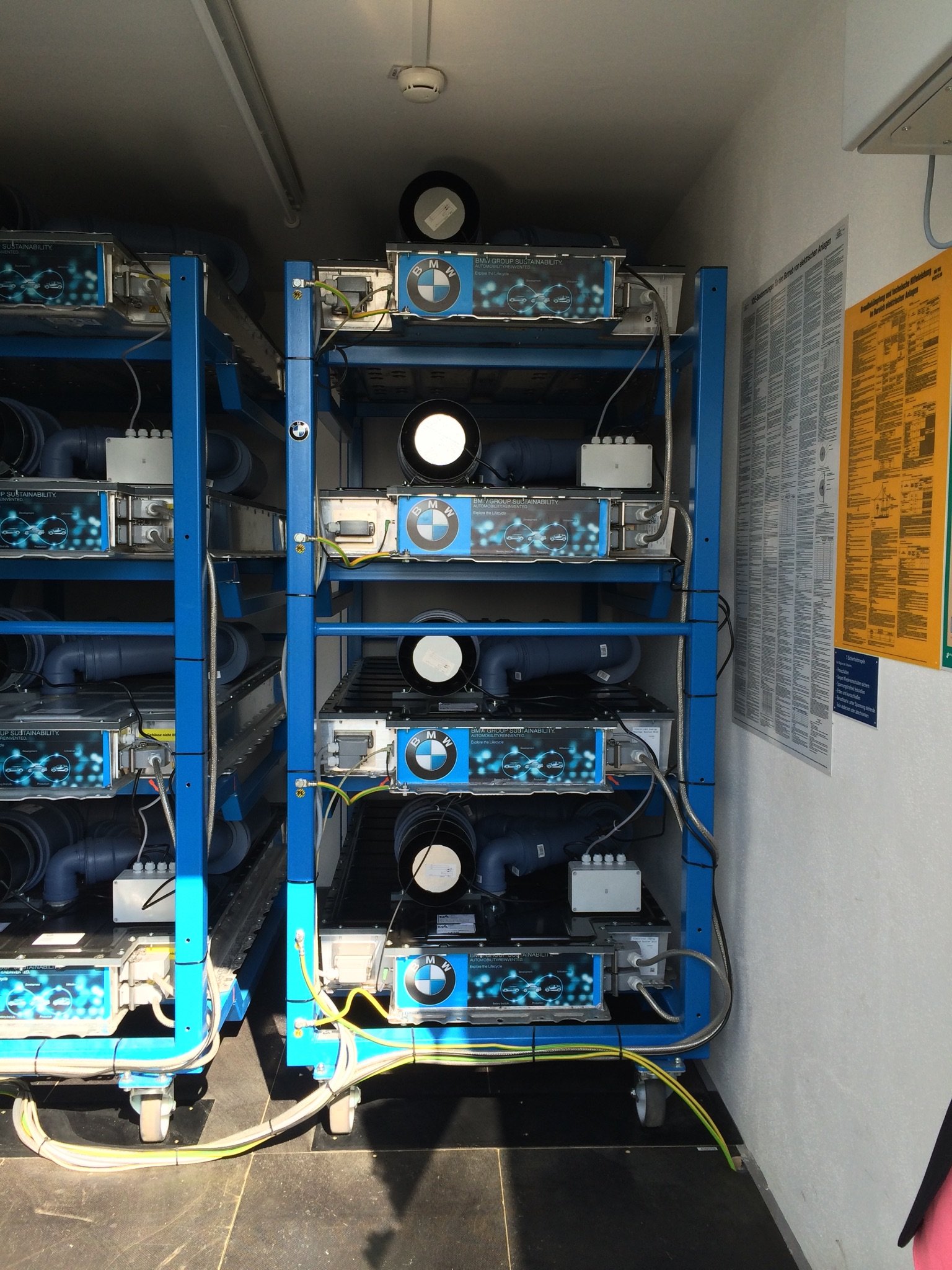
Some packs can be repaired, for example by replacing a faulty module, and returned to an appropriate vehicle or another suitable application. Others may be considered for a different job, such as stationary storage for solar electricity. A battery that no longer provides the range one driver needs may still have useful capacity for a different purpose.
That second life is not automatic. Batteries need assessment, and a damaged or unsafe battery should not be put back into service. The costs of testing, adapting and safely managing a used pack also matter. Reuse can extend a battery’s useful life; it does not remove the eventual need to deal with its materials. The EPA explains reuse and repurposing and the importance of safe handling.
Where Robots Enter the Picture
Taking a high-voltage pack apart can expose workers to electrical, chemical and fire hazards. Batteries also arrive in different shapes and conditions, and damage or corrosion can make a seemingly routine operation unpredictable. Researchers are testing robotic tools to handle parts of that work, sometimes with people controlling or working alongside the machines. A 2023 research paper on tele-robotic disassembly highlights the difficulty created by varied designs and uncertain battery condition.
One example is DeMoBat, a German research project involving Fraunhofer and partners between December 2019 and November 2022. Its four demonstrators explored partially automated steps, including removing modules from battery systems, separating cells from modules, processing cells and dismantling electric drive units. These were research demonstrations of feasibility, not evidence that the same system is routinely used in commercial recycling plants. Fraunhofer project record.
Robots do not make the job risk-free. The way a battery is stored, transported, assessed and handled still matters, as do worker training and emergency plans. The US EPA warns that end-of-life lithium-ion batteries can catch fire if damaged or mishandled, and recommends safety training and fire precautions for handlers. Its guidance is US-specific; local requirements differ.
If It Cannot Be Reused
A battery sent for recycling may be disassembled and processed to separate materials. One common approach includes shredding under controlled conditions, producing streams such as copper and aluminium and a material known as black mass. Further processing can recover metals for use in new products, including batteries. The exact process and materials recovered vary with the battery and facility; recycling is not a promise that every component becomes another battery. EPA recycling overview.
For drivers, the safest starting point is the vehicle manufacturer, dealer or an authorised specialist. High-voltage vehicle batteries are not a home disassembly project. The useful question is what an expert can establish about the pack: can it be repaired, is it suitable for another application, or should it go to a qualified recycler?
The ambition behind battery recycling is to keep useful materials in circulation while protecting the people handling them. Robots may help with specific tasks, but the battery’s condition, the facility’s safeguards and the people making the decisions remain central.
Lead photograph: BMW i3 battery pack at an exhibition in Munich, 2012. RudolfSimon / Wikimedia Commons, CC BY-SA 3.0; resized and may be cropped by the site layout. The photographs illustrate battery design and second-life storage, not the DeMoBat project or a recycling operation.