Treppan Magazine
  • Home
  • Better You
    • Health
    • Wellness
    • Fitness
    • Sleep
  • Better Life
    • Community
    • Food & Cooking
    • Arts & Culture
    • Travel
    • Automation
    • Artificial Intelligence
  • Better Planet
    • Conservation
    • Waste & Resources
    • Climate
  • Your Neighbourhood
Treppan Magazine
Treppan Magazine
  • Home
  • Better You
    • Health
    • Wellness
    • Fitness
    • Sleep
  • Better Life
    • Community
    • Food & Cooking
    • Arts & Culture
    • Travel
    • Automation
    • Artificial Intelligence
  • Better Planet
    • Conservation
    • Waste & Resources
    • Climate
  • Your Neighbourhood
  • Better Planet
  • Conservation

From Farmland to Wilderness: Shamwari’s Conservation Story

  • November 3, 2026
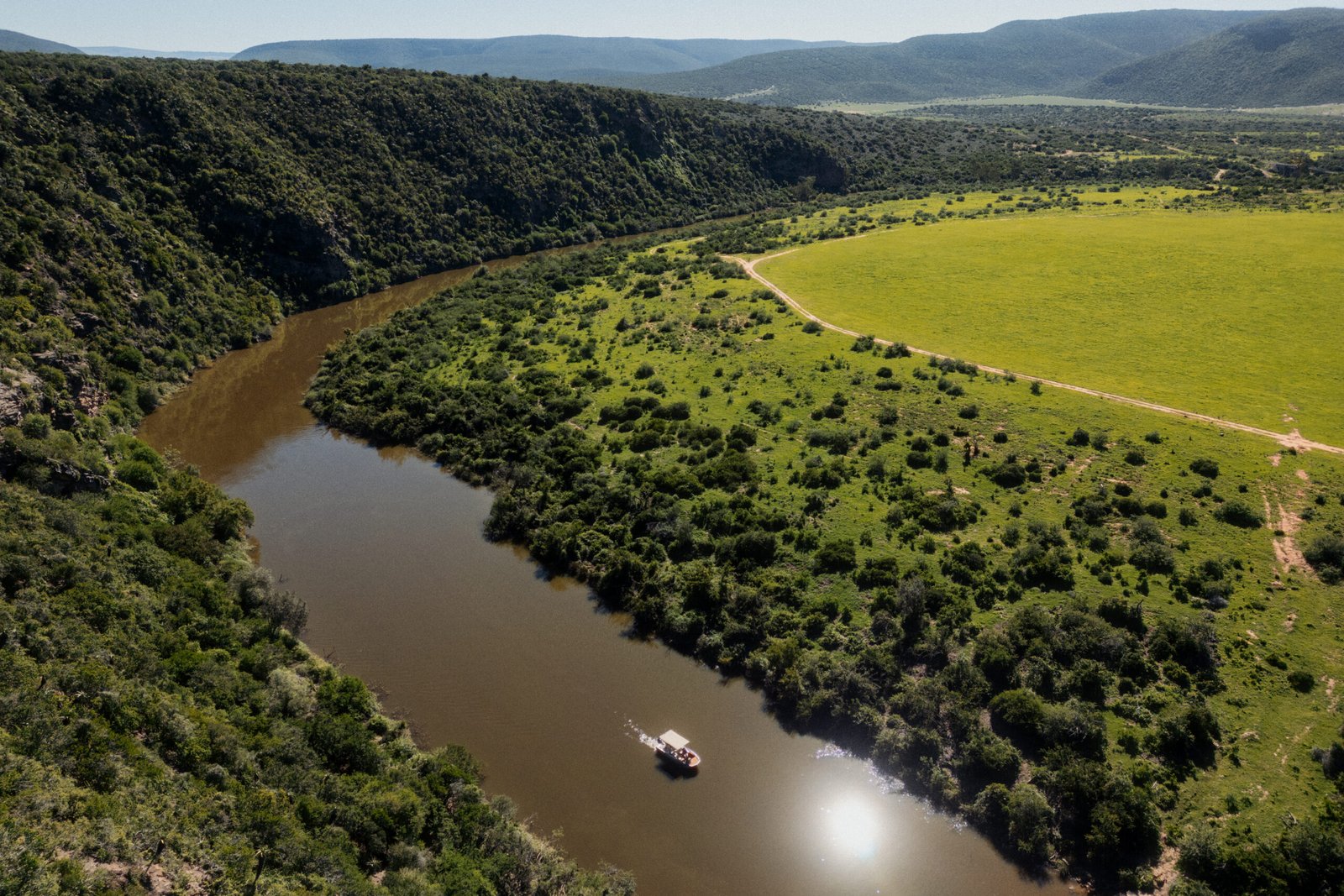
A winding river through fields and wooded hills at Shamwari Private Game Reserve
Total
0
Shares
0
0
0

In South Africa’s Eastern Cape, elephants now move through land that was once farmed. Their return is only one part of the story at Shamwari Private Game Reserve, where the work of restoring wildlife habitat has unfolded over more than three decades.

Shamwari describes its approximately 25,000-hectare reserve as a landscape reshaped by agriculture and then gradually brought back into conservation use. Its history offers a view of restoration as an ongoing task: bringing animals back is significant, but so is caring for water, soil and plants long afterwards.

From Fields to Wildlife Habitat

According to Shamwari’s account of its history, restoration began in 1990. Elephants, white rhinos and hippos were reintroduced in 1992, followed by black rhinos and buffalo in 1993. The reserve says the large herbivores helped reshape former cultivated land as they moved through it, dispersing seeds, disturbing soil and opening paths through vegetation.

Cheetahs, lions and brown hyenas arrived in 2000, with servals and leopards following in 2001. That year, Shamwari says, it became the Eastern Cape’s first Big Five game reserve. The familiar safari label describes a group of large animals; it does not by itself measure the health of an entire ecosystem.
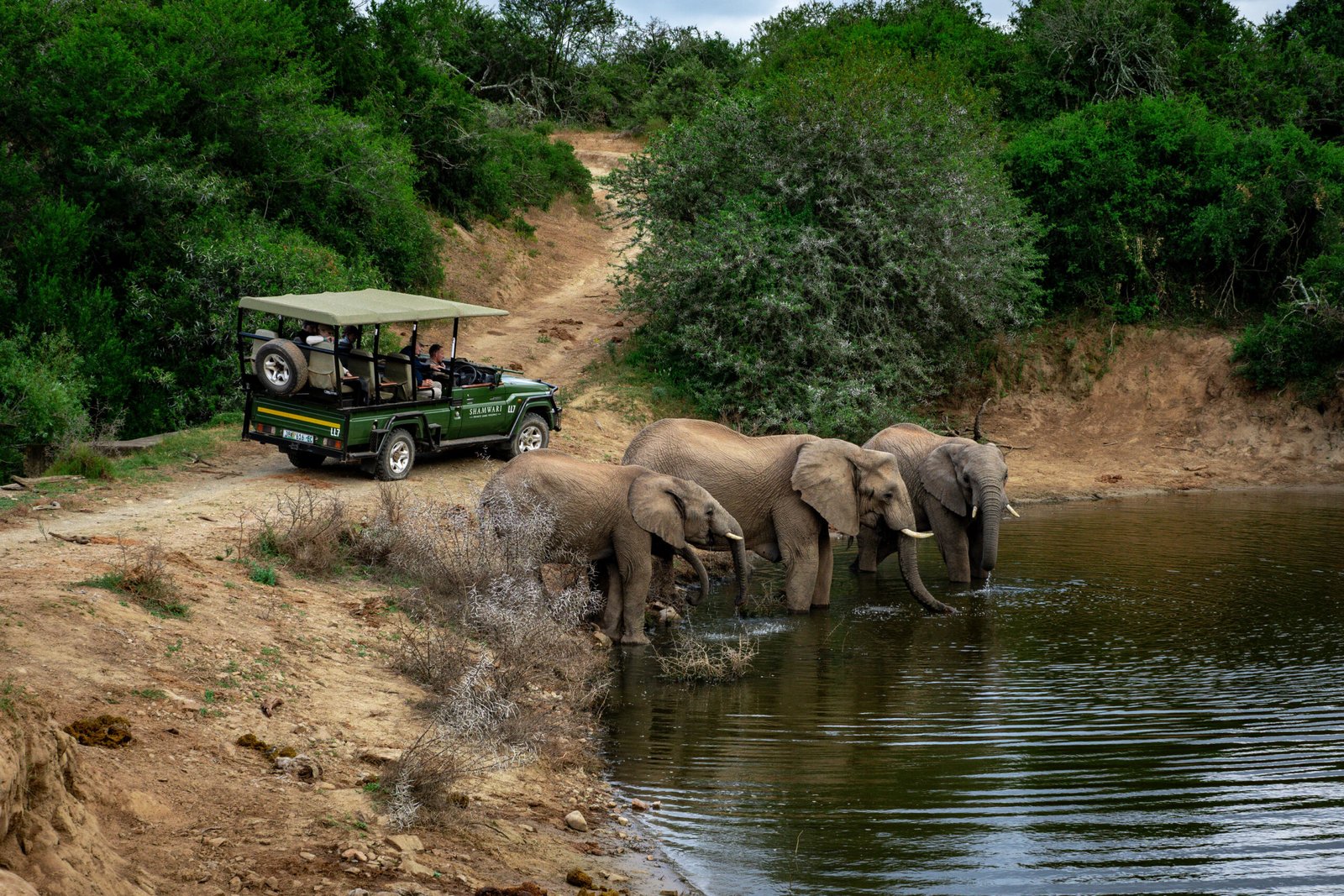
Elephants drinking at a waterhole with a safari vehicle behind them at Shamwari
Elephants gather at a waterhole at Shamwari. Image supplied by PRCO.

A Small Bird and a Lesson in Patience

One episode in the reserve’s history involved oxpeckers brought from Kruger National Park. Shamwari recounts that rhinos initially reacted to the unfamiliar birds landing on them to feed on ticks. Later, juvenile oxpeckers were seen, indicating that the birds had remained and bred.

The anecdote illustrates how reintroductions can produce unexpected responses. It is not proof that every intervention succeeds, but it is a reminder that rebuilding relationships between species takes observation as well as time. A published study of birdlife at another Eastern Cape reserve also records the introduction of red-billed oxpeckers at Shamwari and reports breeding there.

Water and Plants Need Attention Too

Drought has made water management a practical conservation issue across parts of the Eastern Cape. Shamwari’s water protection project describes electronic borehole monitoring intended to help manage extraction. Monitoring is a tool for making decisions; the project page does not provide the measurements needed to assess its results independently.

Another part of the work is less visible from a game-drive vehicle. The Shamwari Foundation says its invasive vegetation programme removes established plants, controls regrowth and new seedlings, and monitors vegetation. Invasive plants can compete with indigenous species and affect water and soil, although their effects vary by species and place.

Restoration Is Ongoing

A protected landscape is not simply left alone once animals return. Decisions about water use, invasive plants and wildlife management continue, alongside the reserve’s tourism business and the communities around it. Shamwari’s foundation also describes work on community water supply, skills and education. Those programmes are part of the reserve’s own account, not an independent assessment of their outcomes.

The bigger lesson is that a landscape can be given a different future, but recovery is neither instant nor finished. Looking beyond a sighting of a lion or an elephant reveals the quieter work of caring for the conditions that allow wildlife to persist.

Based on a press release supplied on 3 November 2026 and checked against Shamwari’s published history and conservation pages. The reserve’s conservation claims are attributed to its own accounts; Treppan has not independently evaluated the projects’ outcomes. Images supplied by PRCO.

Total
0
Shares
Share 0
Tweet 0
Pin it 0
Previous Article
Hands drawing on coloured paper beside craft materials
  • Better Life

Dubai Design Week Workshops: Choose a Session by Age and Budget

  • November 2, 2026
Read story
Next Article
A robot vacuum beside a sofa on a wooden floor.
  • Automation
  • Better Life

What Does Your Robot Vacuum Know About Your Home?

  • November 3, 2026
Read story
You May Also Like
A person handles a yellow garment at a table covered with clothes.
Read story
  • Better Planet
  • Waste & Resources

What Happens to Donated Clothes After They Leave Your Wardrobe?

  • ssharaf
  • November 3, 2026
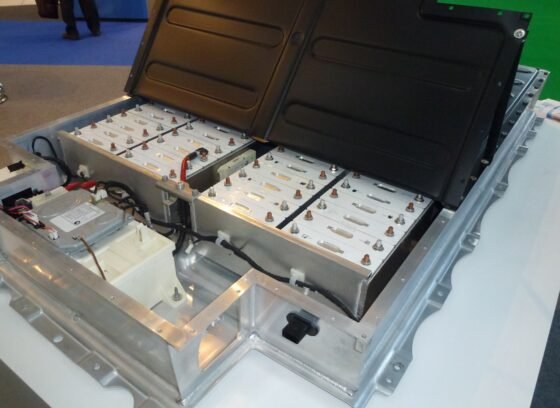
An open BMW i3 battery pack with modules visible at a trade exhibition.
Read story
  • Automation
  • Better Planet
  • Waste & Resources

What Happens to an Electric Car Battery When the Car Is Done?

  • ssharaf
  • November 3, 2026
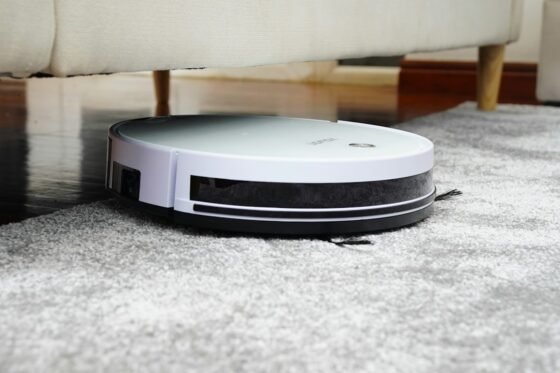
A white robot vacuum on a rug beside a sofa.
Read story
  • Better Planet
  • Waste & Resources

What Happens When a Robot Vacuum Reaches the End of Its Life?

  • ssharaf
  • November 3, 2026
Qadreya Al Awadhi in a black abaya, standing against a pale background
Read story
  • Better Planet
  • Waste & Resources

Qadreya Al Awadhi: What Local Food Means at the Family Table

  • ssharaf
  • October 8, 2026
A vessel structure at Drydocks World in Dubai, in an image supplied with its July 2026 ship recycling announcement.
Read story
  • Better Planet
  • Waste & Resources

How Ships Are Recycled: Recovering Materials and Managing Hazardous Waste

  • Treppan Magazine
  • October 4, 2026
Kushiyaki Wagyu beef skewers at The Langham, Gold Coast, in an image supplied with the group’s kitchen upcycling announcement.
Read story
  • Better Planet
  • Waste & Resources

How Hotel Kitchens Turn Food Trimmings into New Dishes

  • Treppan Magazine
  • October 4, 2026
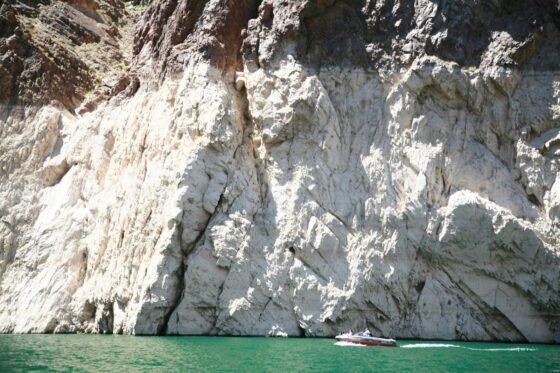
Low water at Lake Mead in an archival photograph taken on 13 June 2010. The image illustrates drought and does not show current conditions.
Read story
  • Better Planet
  • Climate

Preparing for Drought before the Crisis

  • Treppan Magazine
  • October 4, 2026
A Red Sea Global resort villa at dusk, supplied with the DarkSky certification announcement.
Read story
  • Better Planet
  • Conservation

How Responsible Outdoor Lighting Protects Wildlife and Dark Skies

  • Treppan Magazine
  • October 4, 2026
Latest Stories
  • Hands place food scraps in a metal kitchen bucket.
    • Better Life
    • Food & Cooking
    What a Restaurant Can Learn by Weighing Its Waste
  • A person handles a yellow garment at a table covered with clothes.
    • Better Planet
    • Waste & Resources
    What Happens to Donated Clothes After They Leave Your Wardrobe?
  • An open BMW i3 battery pack with modules visible at a trade exhibition.
    • Automation
    • Better Planet
    • Waste & Resources
    What Happens to an Electric Car Battery When the Car Is Done?
  • A white robot vacuum on a rug beside a sofa.
    • Better Planet
    • Waste & Resources
    What Happens When a Robot Vacuum Reaches the End of Its Life?
Treppan Living News
  • Open window in a sunlit room overlooking city buildings
    • Our Initiatives
    Why a Comfortable Home Needs Fresh Air, Not Just Cold Air
  • Blue, green, red and white recycling containers outdoors.
    • Our Initiatives
    Where Does Your Bin Bag Go?
  • Illustrative greenhouse café concept for Treppan Greenhouse Café at Maimoon Gardens, JVC; not a photograph or confirmed design of the premises.
    • Our Initiatives
    A Café Worth Staying Close to Home For
  • White cup of black coffee surrounded by coffee beans
    • Our Initiatives
    Could a Better Habit Buy Your Next Coffee
  • White physical light-control panel on a pale wall
    • Our Initiatives
    The Smart Home Should Give You Less to Think About
About Treppan Magazine
Thoughtful reads for Better You, Better Life and Better Planet. Practical ideas for living well, making everyday life easier and caring for the world around us.
Our story
Tréppan Living

Ideas for a Better Everyday.

Tréppan Magazine explores wellbeing, useful technology, culture and sustainable living. Rooted in the UAE and open to the world, with a thoughtful perspective on how we care for ourselves, our homes and the planet.

Inspired by Tréppan Living’s conscientious commitment to Culture, Community, Commerce and Connection.

Our Story
Our Philosophy
Our Editorial Approach

Explore the Magazine
Better You
  • Health
  • Wellness
  • Fitness
  • Sleep
Better Life
  • Community
  • Food & Cooking
  • Arts & Culture
  • Travel
  • Automation
  • Artificial Intelligence
Better Planet
  • Conservation
  • Waste & Resources
  • Climate
Connect

For editorial enquiries, story ideas and collaborations.

info@treppanmagazine.com

Treppan Living
Office 1405, 14th Floor
Lake Central Tower
Marasi Drive, Business Bay
Dubai, United Arab Emirates

Contact Us & Find Us
Discover Tréppan Living ↗

Treppan Magazine
  • All Stories
  • About Tréppan Magazine
  • Contact Us
Better You. Better Life. Better Planet.

Input your search keywords and press Enter.