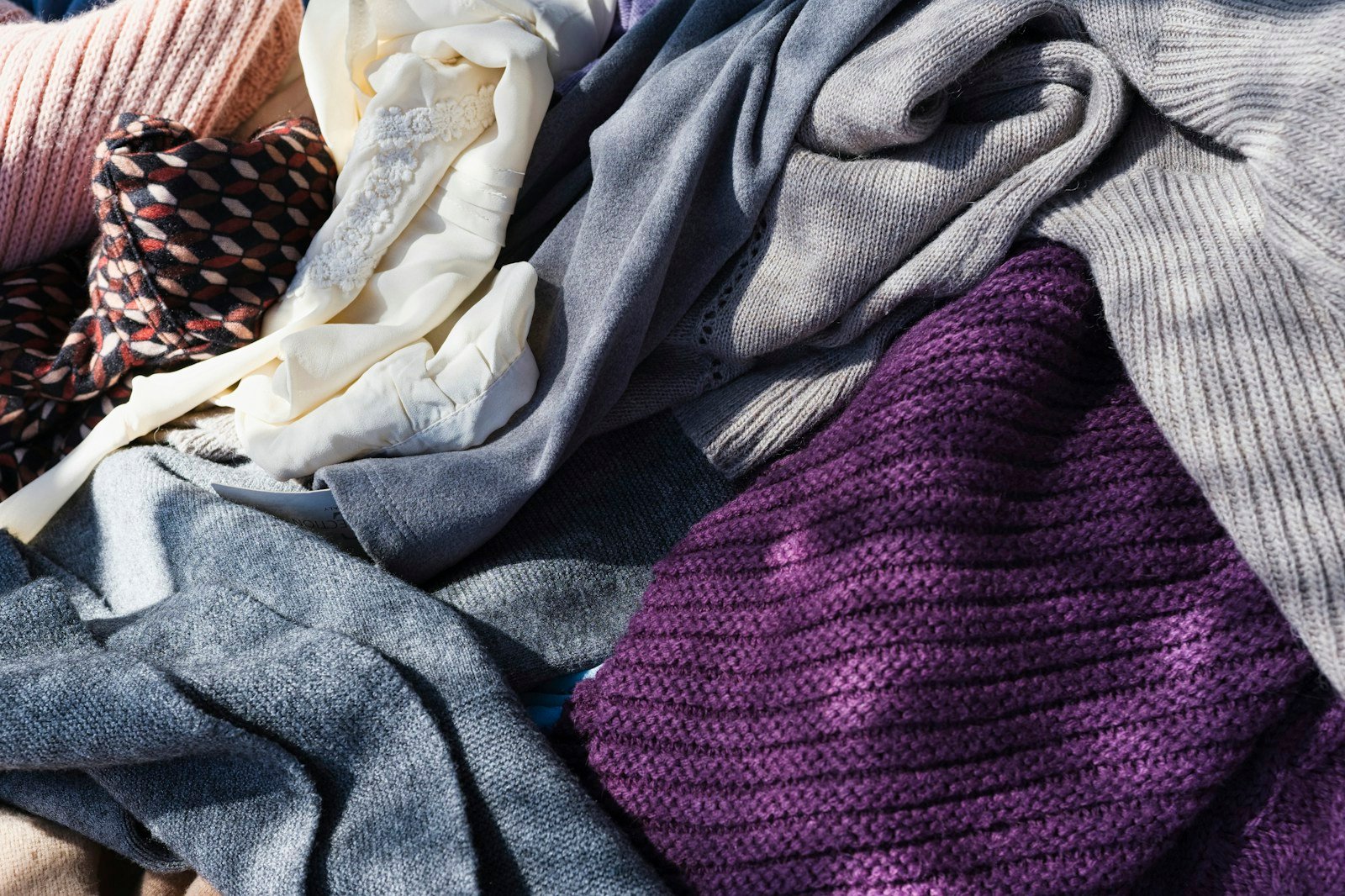
A bag of clothes can be the beginning of several different journeys. People still make the first important decisions, even as optical scanners and experimental robots are being developed to help recover fibres.
The moment a wardrobe is cleared, a shirt stops being a personal possession and becomes a question for somebody else. Is it clean and wearable? Does it need a repair? Can someone use it as clothing, or is its next life as a material?
Donation does not guarantee any particular destination. Collection rules and outlets vary, and even items placed in the same bag can follow different routes. The work of sorting makes those routes possible.
The first sort is about people, not fibres
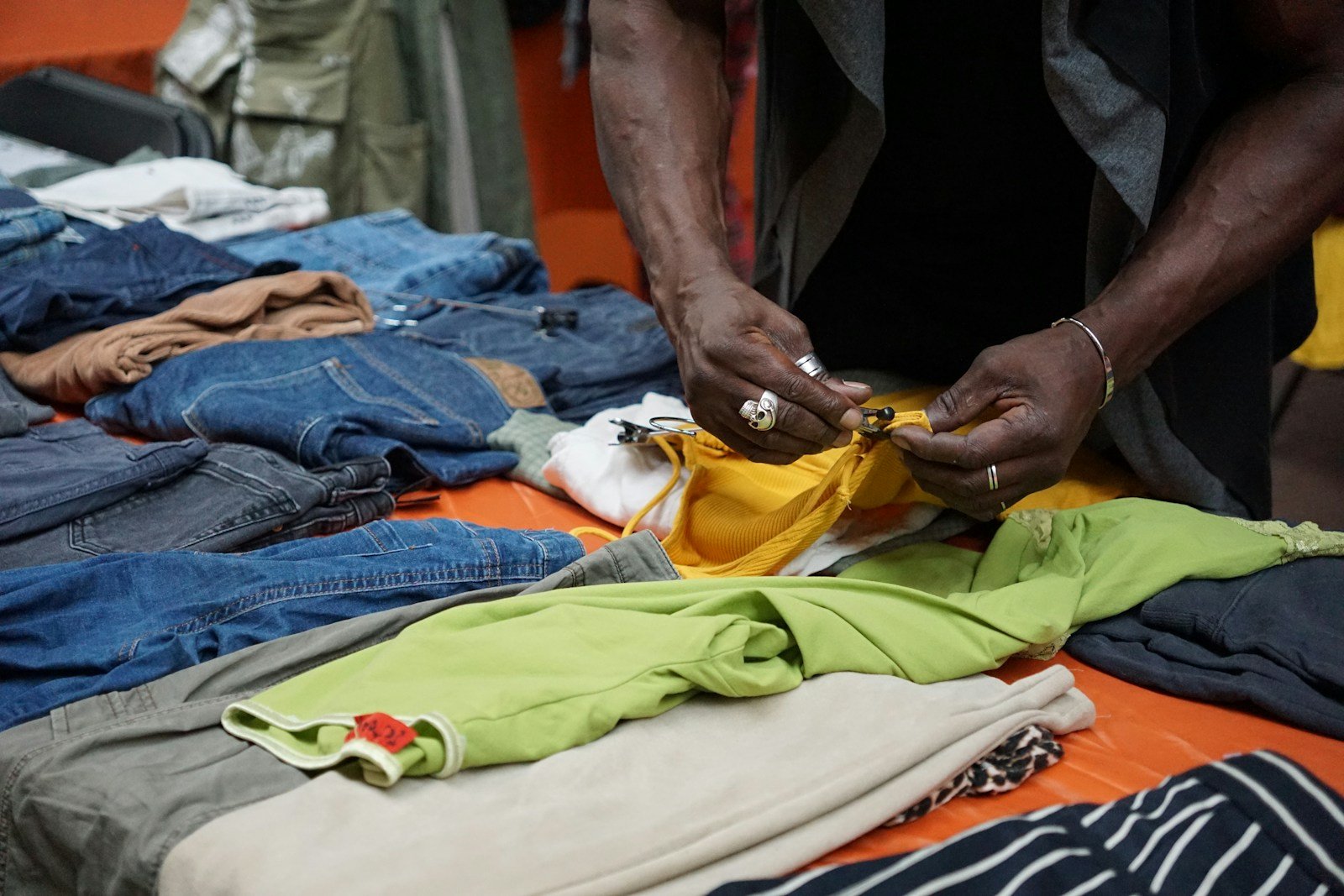
At a sorting facility, workers may open bags, remove unrelated rubbish and separate wet or heavily soiled items. They assess clothing by type, condition and suitability for reuse. Decisions can include the needs of different second-hand markets, not just whether a garment has a hole.
A European Commission Joint Research Centre study describes this as a complex process that differs between operators. Its account of high-quality sorting puts preparation for reuse first, with recycling considered where reuse is not possible. Sorters look at details such as stains, thinning, size and the needs of receiving markets. They also use sight and touch to identify materials for some recycling routes.
A good shirt can therefore go to a second-hand outlet or another reuse channel. Other textiles may be suitable for wiping cloths or recycling, while contaminated or unsuitable material may enter residual waste treatment. Which route is available depends on the collector, its buyers and local infrastructure. An item collected for recycling is not necessarily recycled into another garment.
Why fibre sorting is difficult
Clothes are awkward raw material. A single garment can combine fibres, dyes, seams, prints, fasteners and several layers. A label can be missing, difficult to read or inaccurate. Recyclers need feedstock that suits their own process, and different processes accept different compositions and levels of contamination.
Some of the work is already automated. At SIPTex in Malmö, near-infrared and visible-light sensors classify textile material by fibre type and colour, and jets of compressed air direct it into containers. The European Commission describes the facility as handling pre-sorted and residual textiles as well as industrial material. It is an optical sorting system, not evidence that robots are independently judging every donated item for reuse.
What might a robot add?
Handling a soft garment is a different challenge from identifying a piece of fabric on a belt. Clothes fold, overlap and change shape when lifted. A useful system must pick an item up and present enough of it to a sensor, then direct it to the appropriate stream.
Germany’s RoboTex project, running from November 2025 to November 2027, is developing a robot-assisted system intended to pick up used clothes, spread them out and identify their material with sensors. Its plans include textile-friendly grippers, machine learning and an assessment of environmental impact. These are research objectives, not proof that the complete system is operating commercially or that every garment can be reliably sorted.
Another project, ReUseTex at TU Graz and partners, is investigating automated sorting by garment category and the detection of substantial soiling and damage. Running from 2025 to 2028, it aims to support reuse and recycling. It is an indication of the questions researchers are trying to solve, not a promise that a machine can already replace the judgement of an experienced sorter.
The distinction matters. A sensor can help identify materials for a recycling process, but that is not the same decision as whether a coat is wearable, desirable or repairable. Nor does more accurate sorting, by itself, create a recycler or a buyer for every output.
Before the bag leaves home
The most useful first step is to check what the intended collector actually accepts. Follow its instructions on cleanliness, packaging and damaged items; do not assume every donation bin accepts the same things. Keep wet or contaminated textiles out unless the service specifically says otherwise, and consider repair, reuse or a local swap for clothes that can still be worn.
Technology may make the later stages more precise. The earlier decision remains straightforward: keep a useful garment in use where possible, and send the rest through a route equipped to handle it.