A robot vacuum can clean floors for years, but eventually a worn battery, damaged part or unavailable repair may bring its working life to an end. The question is what happens next: can the machine be repaired, and if not, how can it be handled safely?
Consider repair before replacement
A machine that no longer cleans well is not necessarily finished. Check the manufacturer’s troubleshooting guidance and the availability and cost of genuine replacement parts or an authorised repair. A service centre can assess whether the fault is practical and safe to fix. Do not assume that every battery is designed for the owner to remove.
If you decide to pass on or recycle the device, remove it from connected accounts and follow the maker’s instructions to delete stored maps and personal data. Check whether cloud data needs a separate deletion request.
Why the battery changes the answer
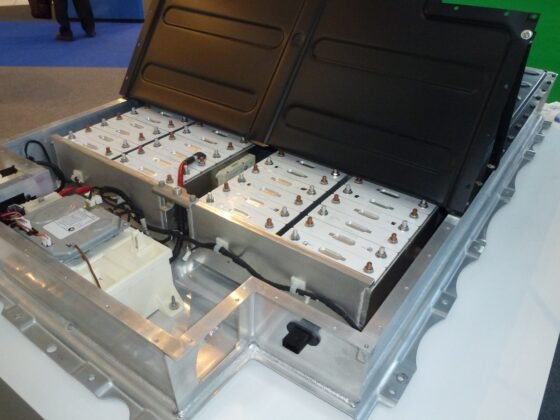
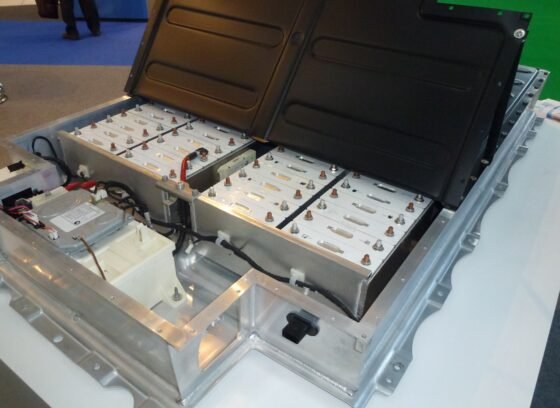
Many rechargeable appliances contain lithium-ion batteries. If damaged or crushed during collection and processing, these can start fires. The US Environmental Protection Agency advises against putting lithium-ion batteries or devices containing them in household rubbish or ordinary mixed-recycling bins. Instead, it recommends an appropriate electronics or battery collection route. Local rules and available services differ.
Do not dismantle a damaged battery or force one out of a device. If a battery is swollen, leaking or otherwise damaged, contact the manufacturer or a qualified collector for handling instructions before moving or handing it over.
A robot taking apart a robot
Researchers are exploring whether automation can help separate batteries before small appliances enter later recycling stages. In a 2026 feasibility study, a team from Fraunhofer and the University of Stuttgart tested a robotic cell designed to identify and remove screws, lift a battery cover and remove the battery from selected discarded robot vacuums.
Twenty-two of 27 units completed the full sequence. That result needs context: the tests used 3D-printed battery replicas, not live lithium batteries, and focused on models with accessible compartments and spring-terminal connections. The researchers also reported that fire extinguishing measures were not integrated into the test design. It is a research prototype, not evidence of an established commercial service.
Real discarded machines arrive in different conditions. Dirt, damaged screws and different battery connections can complicate the work. Researchers say the system would need further development to handle a wider range of devices and conditions safely.
Finding a suitable collection route
In Dubai, a Dubai Municipality waste-segregation guide directs residents to Smart Sustainability Oasis points or an approved e-waste processor for electronic waste. Before travelling, check that the chosen location accepts your particular device and battery; the guide lists Dubai Municipality’s contact number as 800 900. Elsewhere, consult the local waste authority or the manufacturer’s take-back service.
Repair, safe collection and specialised processing each have a part to play. The experimental robot offers one possible way to make a difficult step more manageable, but it does not change the immediate advice: keep battery-powered electronics out of ordinary waste streams and use a suitable collection route.
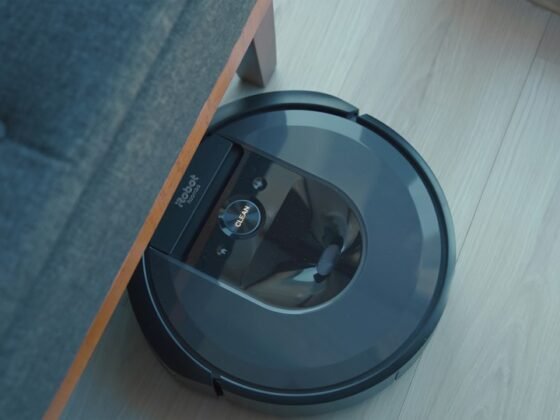
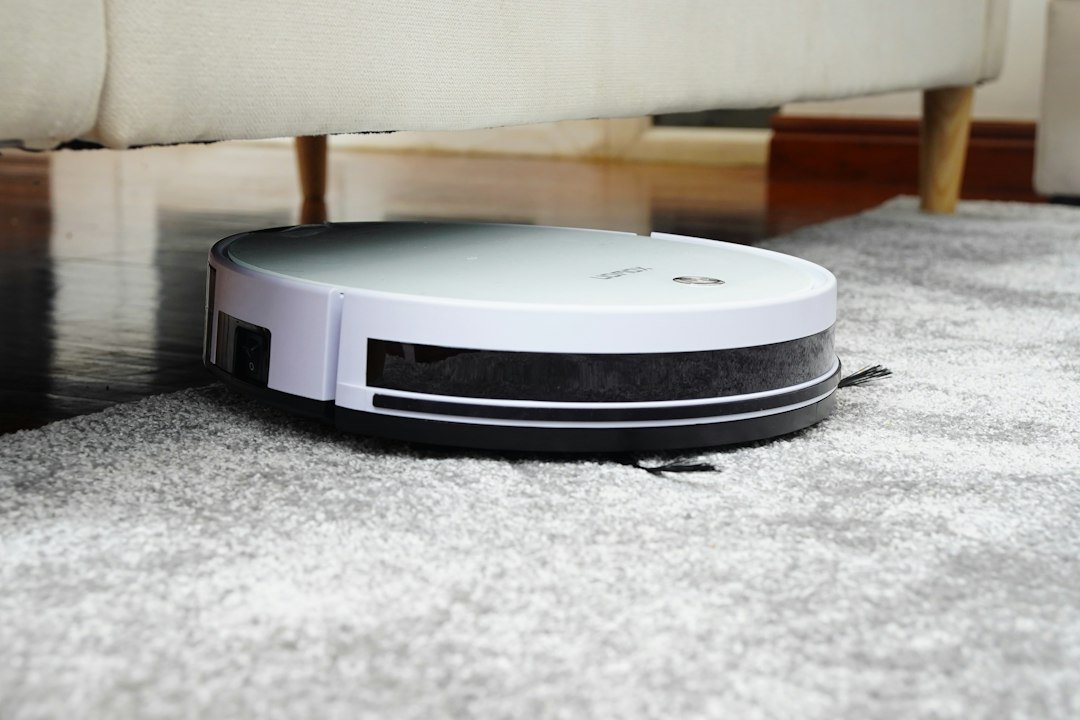
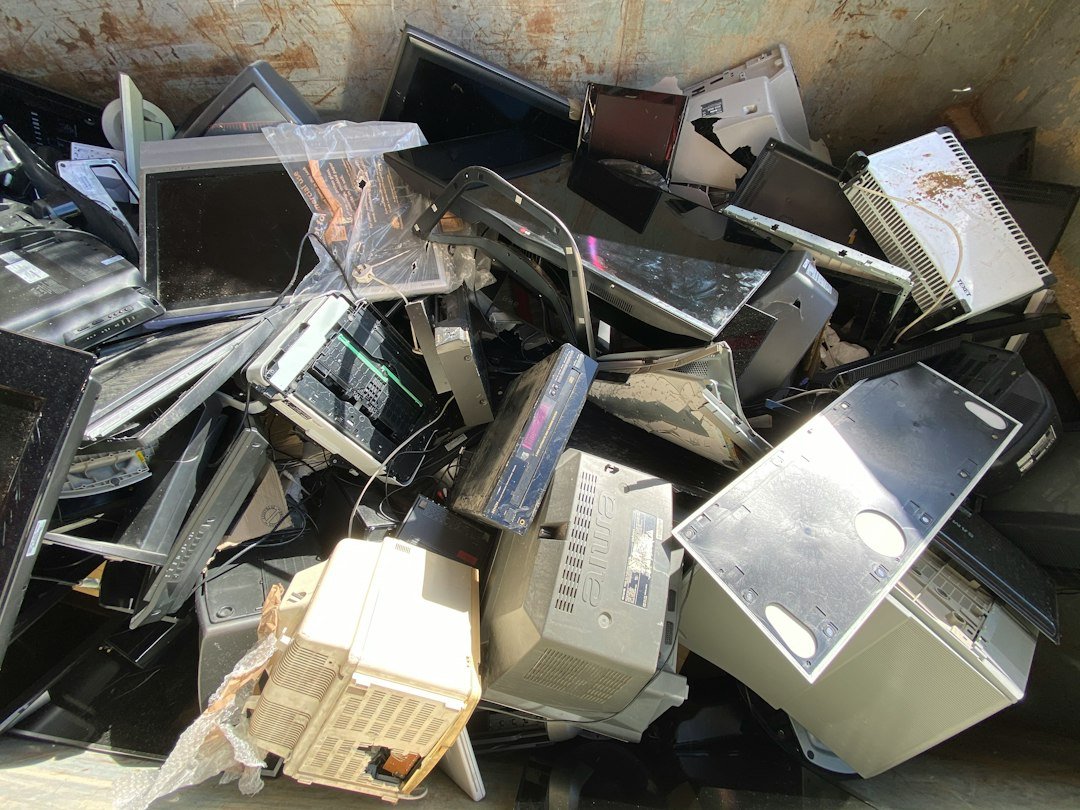
Featured image: Kowon vn / Unsplash, shown as an illustration rather than a device used in the research.