At the end of service, a bag of discarded material can hold several stories: ingredients that were prepared but not used, food left on plates, packaging and bottles. Weighing those streams separately gives a restaurant a starting point for deciding what to change.
Dubai restaurant BOCA has described an unusually straightforward version of that process. In its 2023 sustainability manifesto, it says waste from the kitchen, bar, dining floor and housekeeping was separated and weighed before leaving the premises. A designated waste officer entered the data in a spreadsheet, consolidated it monthly and discussed comparisons with management. The intention was to return the findings to the teams producing the waste and to open conversations with suppliers about packaging.
Independent 50 Best reporting in February 2025 also described the restaurant’s practice of weighing and recording waste. That is evidence of a documented approach, not an independent audit of its results.
What the figures tell us
BOCA reported in its 2023 document that, by the end of 2022, average monthly waste was down 5% compared with 2021 across most categories. This was a restaurant-reported comparison across several kinds of waste, not a finding that food waste fell by 5%. The document does not provide the complete monthly dataset behind that comparison or explain how changes in diner numbers affected it.
A useful next question is how much food was discarded per meal served, alongside total weight. If a restaurant has fewer guests, its bin may weigh less even if waste per diner has not improved. Tracking preparation scraps separately from plate leftovers can also point to different responses, such as ordering or preparation changes on one hand and portion sizes on the other.
Prevention comes first
BOCA’s 2023 report said food preparation scraps and guest leftovers went to a local partner for composting. That can give organic material a further use, but composting food after it is discarded is different from preventing edible food becoming waste in the first place. The US Environmental Protection Agency’s food-waste scale places prevention, donation and upcycling among its preferred pathways, based on a US environmental assessment.
The simplest lesson is to keep the categories visible. Record what is thrown away, ask why, make a change, then check the numbers again. For BOCA’s own progress, current food-waste figures, the number of meals served, and the method for checking them would make the story more complete.
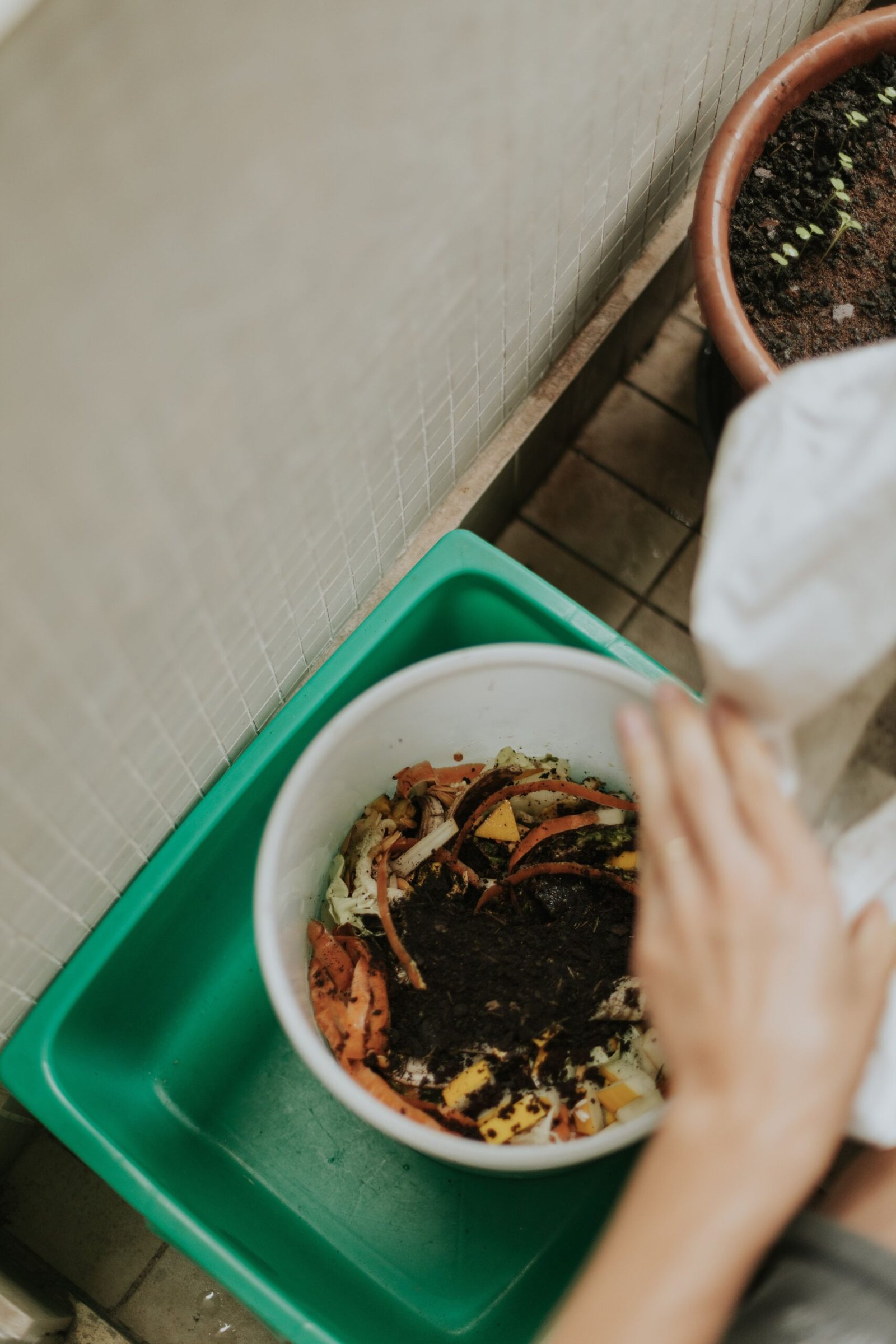
Featured image: Food scraps placed in a kitchen bucket. Illustrative image. Photo: Greta Hoffman/Pexels.