An accessible hotel website can make the difference between planning a trip independently and needing someone else to complete every step. But a website that works well with assistive technology is only the beginning. The room, bathroom, arrival route and staff support still need to fit the person who will use them.
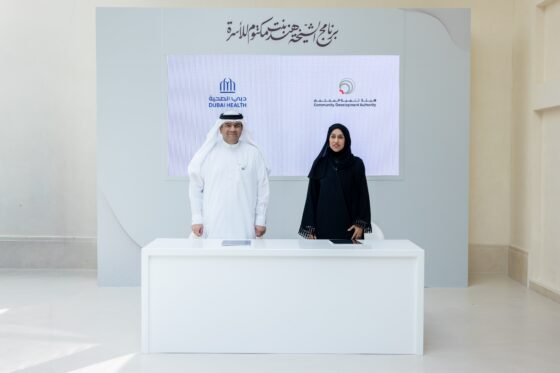
That distinction matters when reading Dubai’s latest digital-accessibility figures. In its 29 October announcement, the Department of Economy and Tourism reported that compliance scores for the hotels assessed by the Dubai Digital Authority rose from 83% in 2024 to 90% in 2026. This is a measure of the assessed digital services. It is not a promise that every room in every hotel will meet every traveller’s needs.
Start with the Booking Journey
A useful booking website should let you find the information you need, understand the choices and complete the process. If a room description simply says “accessible”, ask what that means in practice. A clear answer is more useful than a reassuring label.
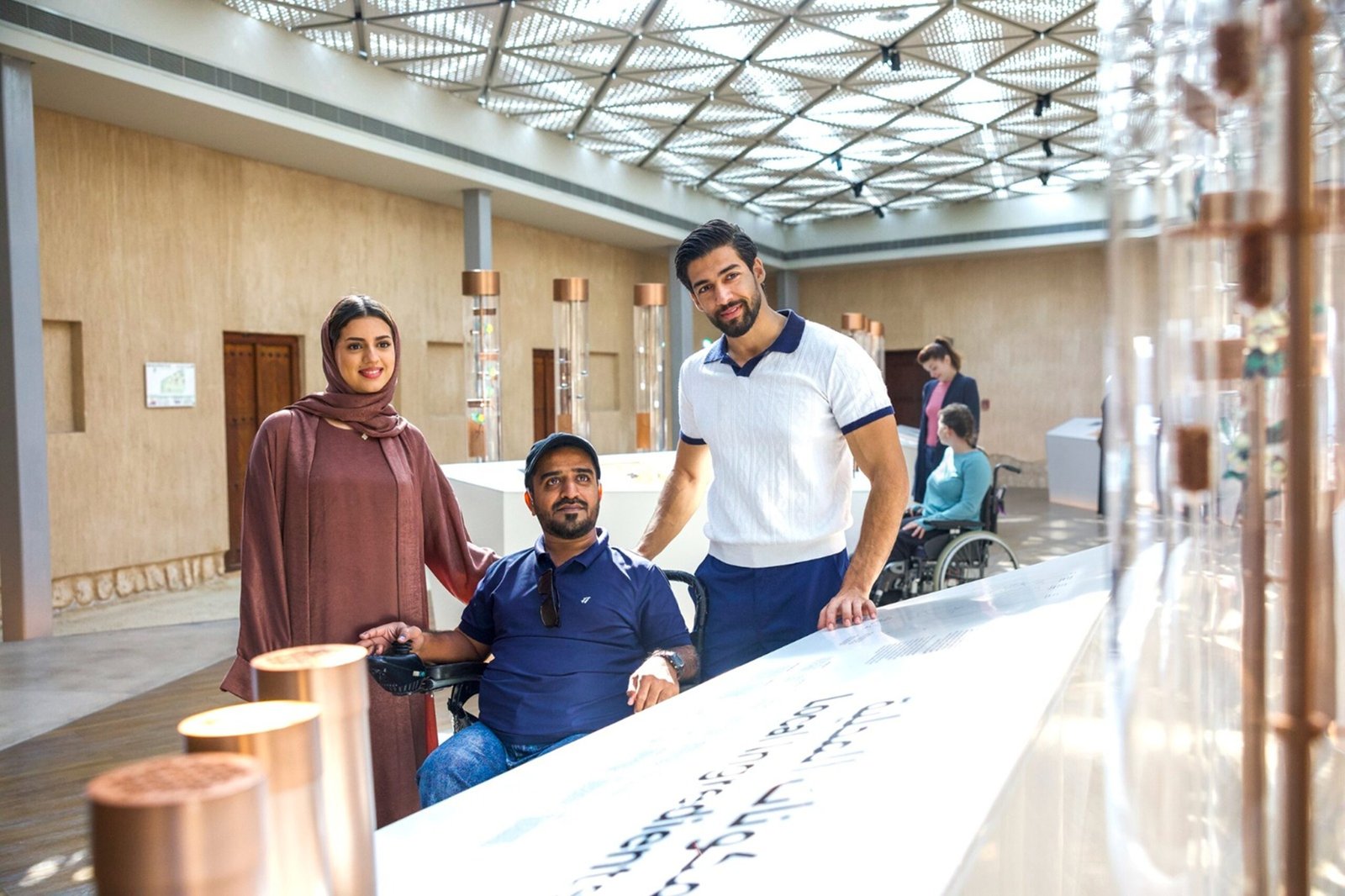
For someone who uses a wheelchair, that might mean checking the route from the arrival point to reception and the room, whether lifts serve all relevant floors, and whether thresholds or narrow doors interrupt that route. For a traveller with a visual or hearing impairment, it may mean asking how essential information and alerts are communicated. Sensory needs may call for a different set of questions about noise, lighting and quieter spaces.
Ask about the Actual Room
Request recent photographs and measurements where these would help you decide. A bathroom’s layout, transfer space, shower access and support fittings can matter more than the category name used in the booking engine. If a particular feature is essential, ask the hotel to confirm that it belongs to your allocated room, rather than assuming every room in the category is identical.
The same applies to the rest of the stay. Restaurants, pools, meeting rooms and transport links may present different access questions. Explain the assistance you want and ask what the hotel can provide, when it is available and whether there is a charge. You do not need to treat one general accessibility statement as an answer to all of these questions.
What the Assessment Adds
DET says the assessment gives participating properties individual reports identifying gaps and improvements across their digital touchpoints. The wider aim is to make researching and comparing accommodation easier. That is useful progress: information is part of access, not a separate luxury.
Physical building accessibility is also addressed through Dubai Municipality’s separate Universal Design Code and Wosool framework. A digital-compliance percentage and a building-accessibility assessment describe different things; neither replaces a conversation about an individual traveller’s requirements.
Keep the Confirmation
Before committing to a booking, put the essential details in writing and keep the hotel’s response alongside the reservation. Ask who to contact if the agreed room or assistance is unavailable on arrival. Check cancellation terms before paying, particularly where your choice depends on a specific feature.
The practical takeaway is simple: use a clearer website to narrow the search, then verify the details that will shape your stay. Accessibility is most useful when it is specific enough to plan around.
Further information: DET’s digital-accessibility announcement.