A child can know the answer and still struggle to ask for help. Learning to recognise frustration, listen to someone else or recover from a disagreement is part of school life, even when it does not appear on an exam paper.
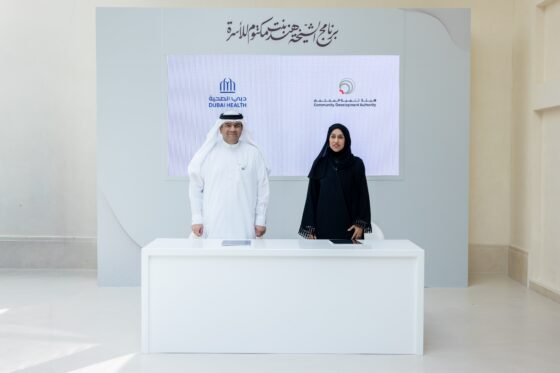
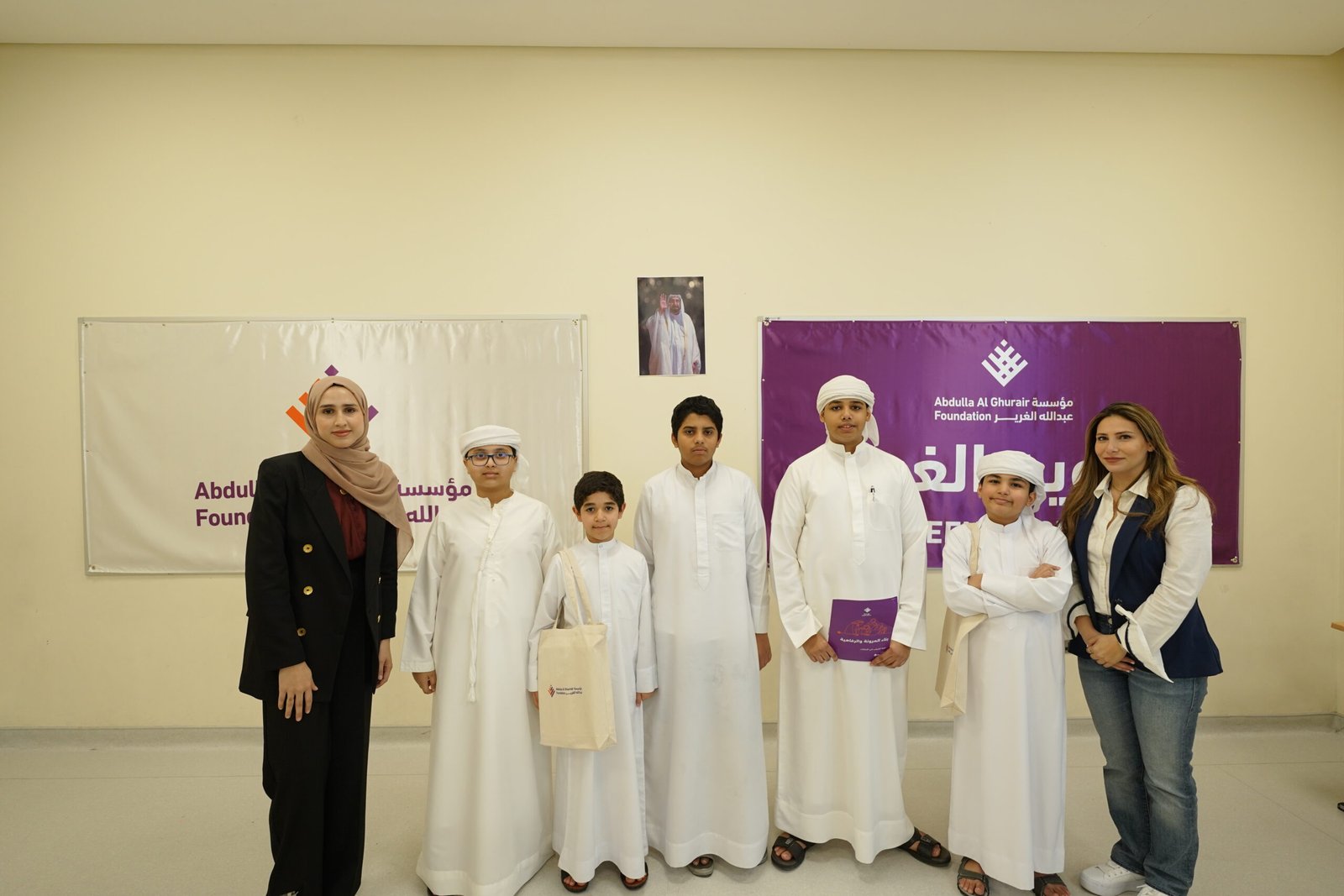
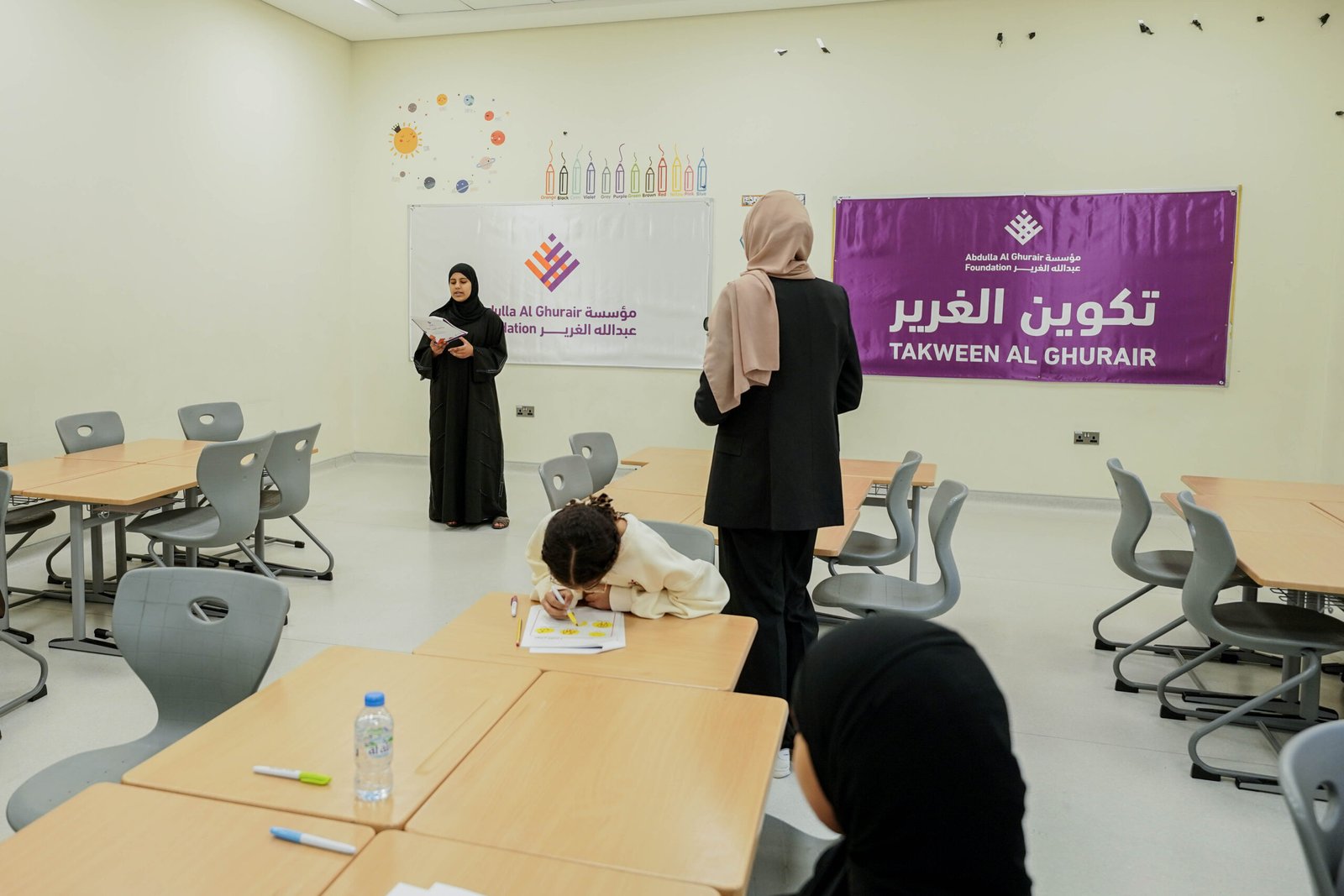
That is the space addressed by an expanded partnership between Peekapak and the Abdulla Al Ghurair Foundation under the Takween Al Ghurair programme. Announced in October, the initiative aims to reach more than 25,000 Emirati students, educators and family members during the 2026–27 academic year. The number is a target for reach, not a measure of improved wellbeing or an indication that every UAE school participates.
Put the Skills Into Everyday School Life
The proposed shift is from a separate wellbeing course towards something schools can sustain themselves. Partner schools will be able to appoint trained Wellbeing Leads: educators who help deliver the programme alongside their existing responsibilities, supported by Peekapak coaches.
The wider package includes a resilience and wellbeing course, professional development, family workshops and measurement tools. For families, the most important question is what this means during an ordinary week. A named contact and a clear route to support are more useful than a broad promise that a school takes wellbeing seriously.
Social-emotional learning is a broad educational approach rather than one product. CASEL’s framework encompasses understanding emotions, managing responses, relating to others and making responsible decisions. Its school guidance emphasises consistent opportunities to practise these skills across classroom and school life. That context supports asking how a programme is delivered, not simply whether its name appears in a prospectus.
Ask About People, Not Just Platforms
Useful questions for a school include who leads the work, what training they receive and how they make time for it. Ask whether activities are adapted to children’s ages and language needs, and how families can reinforce the learning at home without turning it into another assignment.
The partnership describes English- and Arabic-language story-based learning as part of Peekapak’s wider framework. Stories can provide a way to discuss a character’s choices before asking children to talk about their own experiences. The aim should not be to demand personal disclosures in front of classmates, or to label a child according to a score.
Reach Is Not the Same as Evidence of Benefit
The partners say their previous academic-year work reached nearly 8,600 students. That describes participation. Understanding impact requires more: what was measured, when, by whom and whether a change persists beyond the lesson.
Parents can ask how the school evaluates the programme, how survey information is protected and who can see an individual child’s responses. The announcement does not establish those school-specific arrangements, so families should confirm them directly rather than assuming every setting uses the same process.
Keep a Clear Route to Individual Help
School-wide skills learning should sit alongside, not replace, individual support. A wellbeing lesson is not a diagnosis or a substitute for appropriate professional care when a child needs it. Ask the school who handles concerns that go beyond the classroom programme and how parents are involved.
For the current academic year, the promising part of this initiative is its emphasis on the adults already around a child: teachers, families and school leaders. Its value will depend on whether those people have the time, training and practical support to make the learning a regular part of school life.
Based on the October 2026 partnership announcement supplied on 29 October. Educational context checked on 3 November 2026. Participation, access and data arrangements should be confirmed with individual schools; Treppan has not independently evaluated the programme’s outcomes.