Farmers from all seven emirates came to Dubai in November to prepare for a planting season with four crops: sorghum, proso millet, foxtail millet and blue panicum. They left the International Center for Biosaline Agriculture with seed and a calendar for each crop. What happens at successive harvests will matter more than how much seed changed hands.
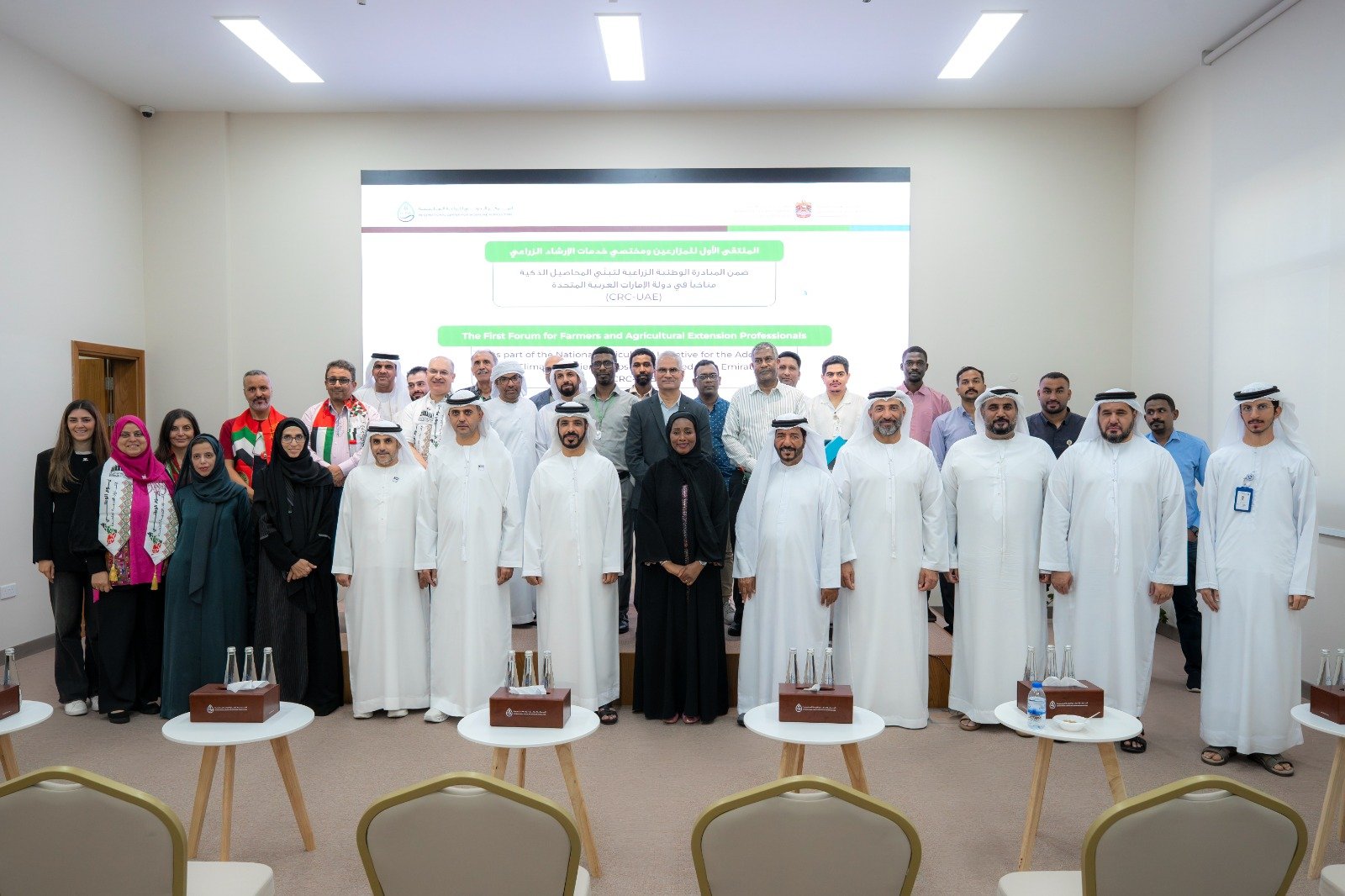
The Ministry of Climate Change and Environment and the centre, known as ICBA, launched the initiative in April. They aim to bring the crops to 45 farms and broaden what the UAE grows for people and livestock. At the November forum, farmers discussed irrigation and land preparation with the agricultural advisers who will help them put the plan into practice.
What would count as a good result?
A crop can use less water over a season simply because its harvest is smaller. A more useful comparison for a grower is how much usable grain or fodder a field produces for the water applied. That requires keeping track of what went into the field as well as what came out. The timing of planting and the irrigation approach also matter when comparing results from two farms.
ICBA introduced a digital tool at the forum to record farming practices and crop performance. Its November announcement documents the start of that work. It gives a target for participation, while harvest figures and measured changes in water use remain questions for a later season. Read ICBA’s programme announcement for the planting and training details.
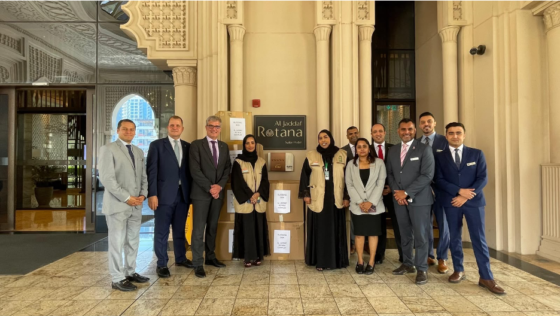
Participants at ICBA’s Dubai forum. Photograph supplied by the International Center for Biosaline Agriculture.