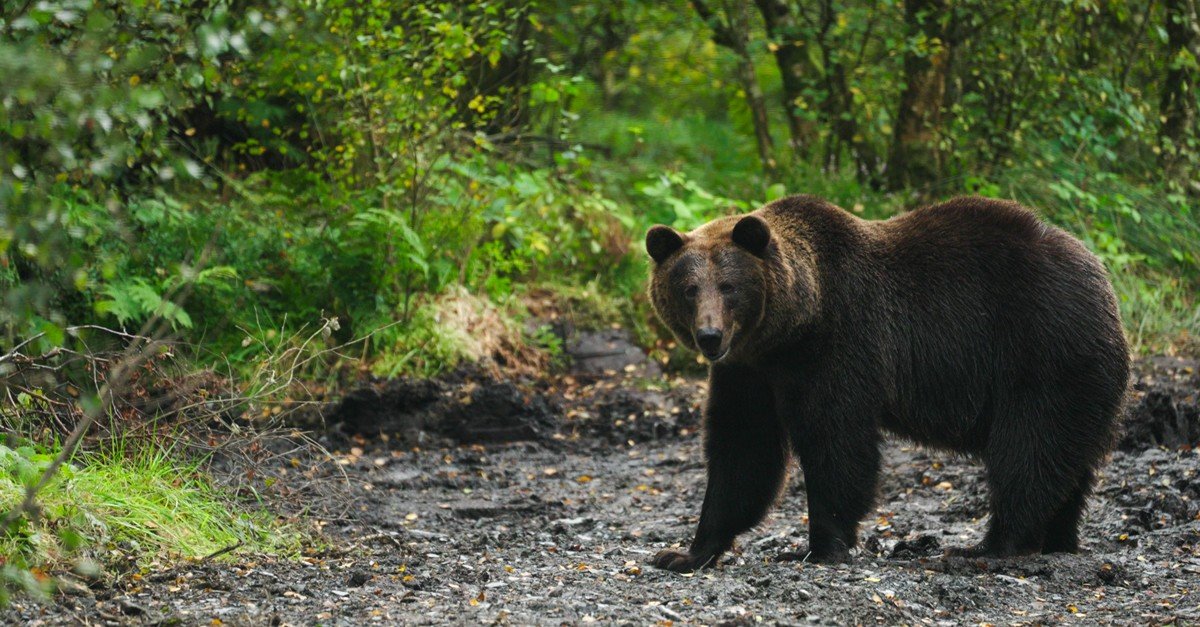
Two rescued brown bears have reached Wild Ireland with help from Etihad Cargo. Their journey offers a reminder that a rescue’s value extends well beyond the flight that brings an animal to safety.
What should a better life look like for a rescued bear? A new address is a beginning. The more revealing questions concern the days that follow: the space available, the care provided and whether an animal can retreat when it needs to.
For Bu and Tyapa, two brown bears now at Wild Ireland in County Donegal, those questions give a long international rescue its meaning. The pair arrived in Ireland in August 2026 after years in unsuitable accommodation in Dagestan, Russia. Etihad Cargo announced its role in their transport on 21 October, describing a five-year effort led by Wild Ireland founder and director Killian McLaughlin.
The Work Before Arrival
The need for help was documented long before the airline’s announcement. In an earlier Russian bear appeal, Wild Ireland explained that a small dog sanctuary in southern Russia was trying to care for the bears without the resources or facilities they required. Its plan combined immediate assistance with a longer-term ambition: a forest habitat in Donegal. Wild Ireland’s original appeal
Etihad’s release identifies Bu as a former circus bear and Tyapa as having come from a petting zoo. The carrier transported them from Moscow to Dublin through Abu Dhabi, working with Abu Dhabi Airports and Velora on specialist handling and transfer arrangements at Zayed International Airport.
That is a useful part of the story for readers in the UAE: the role of an aviation hub in an animal-welfare operation involving people in several countries. The transport made a change of home possible. Assessing the bears’ subsequent lives requires looking to their carers, rather than treating the journey alone as proof of recovery.
Time to Settle
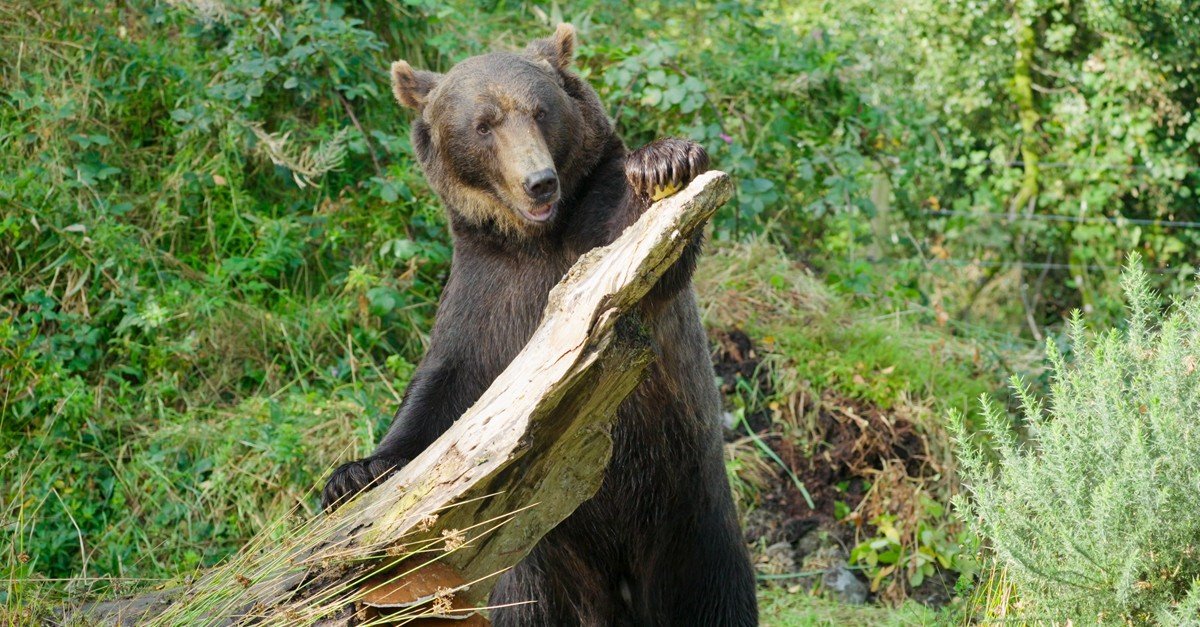
The bears moved into their forest habitat in September, according to Etihad. Reporting from RTÉ, drawing on McLaughlin’s account, describes woodland and water alongside smaller houses where they can withdraw. Their physical condition has improved, he says, but unfamiliar open spaces still frighten them. The care team is allowing them to adjust at their own pace. RTÉ’s report
For anyone visiting an animal sanctuary, this is an important shift in expectation. An animal staying out of sight need not make a visit a failure. Here, McLaughlin says the bears can move away from public viewing areas, and sightings cannot be guaranteed. The freedom to withdraw is part of the care being described, not an inconvenience to be overcome.
This is a story about the welfare of two individual animals. Their arrival at a managed sanctuary should not be confused with release into the wild, the restoration of a wild bear population in Ireland or evidence of a wider environmental benefit from air transport.
Looking Beyond the Rescue Headline
A practical way to read any rescue story is to ask what happens next. Who is responsible for continued care? What does the destination provide? Are updates specific about progress and its limits? And does the visitor experience leave room for the animals’ needs?
Wild Ireland lists donations, animal sponsorship and membership among its support options. Readers considering helping can start with its official support page and check the current purpose and terms of any contribution. Its older bear appeal remains online, so the pre-arrival language there should be read as background, not a current description of where Bu and Tyapa are living.
For these two bears, reaching Donegal is a substantial change. The quieter story now is the continuing work of giving them time, care and a choice about how much of their new surroundings to explore.