A place does not have to be permanent to make someone feel at home. Sometimes recognition comes from a hand-painted sign, a familiar arrangement of mats or a corner set aside for a shared routine. Looking at a city through those details produces a different map from the one drawn by its most prominent buildings.
That is the useful shift in perspective offered by Provisional Sanctuaries, Shamin Sharum’s exhibition at Tashkeel in Nad Al Sheba. Rather than celebrating monumental architecture, the Dubai-based Malaysian artist and designer turns towards temporary musollas: modest prayer spaces accommodated within workplaces, cabins, warehouses and other everyday settings.
Look at What People Leave Behind
In the artist’s account, finding a small musolla shortly after moving to Dubai made an unfamiliar city feel less alien. The exhibition develops that encounter into a study of how people recognise a place, even when its physical structure is provisional.
Sharum does not simply reproduce a room as an architectural record. His paintings, drawings and small models separate details from their original surroundings. A sign, an improvised minaret or an ordinary object can become the focus rather than background information.
That distinction matters when looking at the work. These are artistic interpretations shaped by memory, not a directory of prayer rooms or a survey claiming to represent every community. The absence of figures is also deliberate: use and occupation are suggested through objects and arrangements rather than portraits.
An Everyday Material, a Different Way of Looking
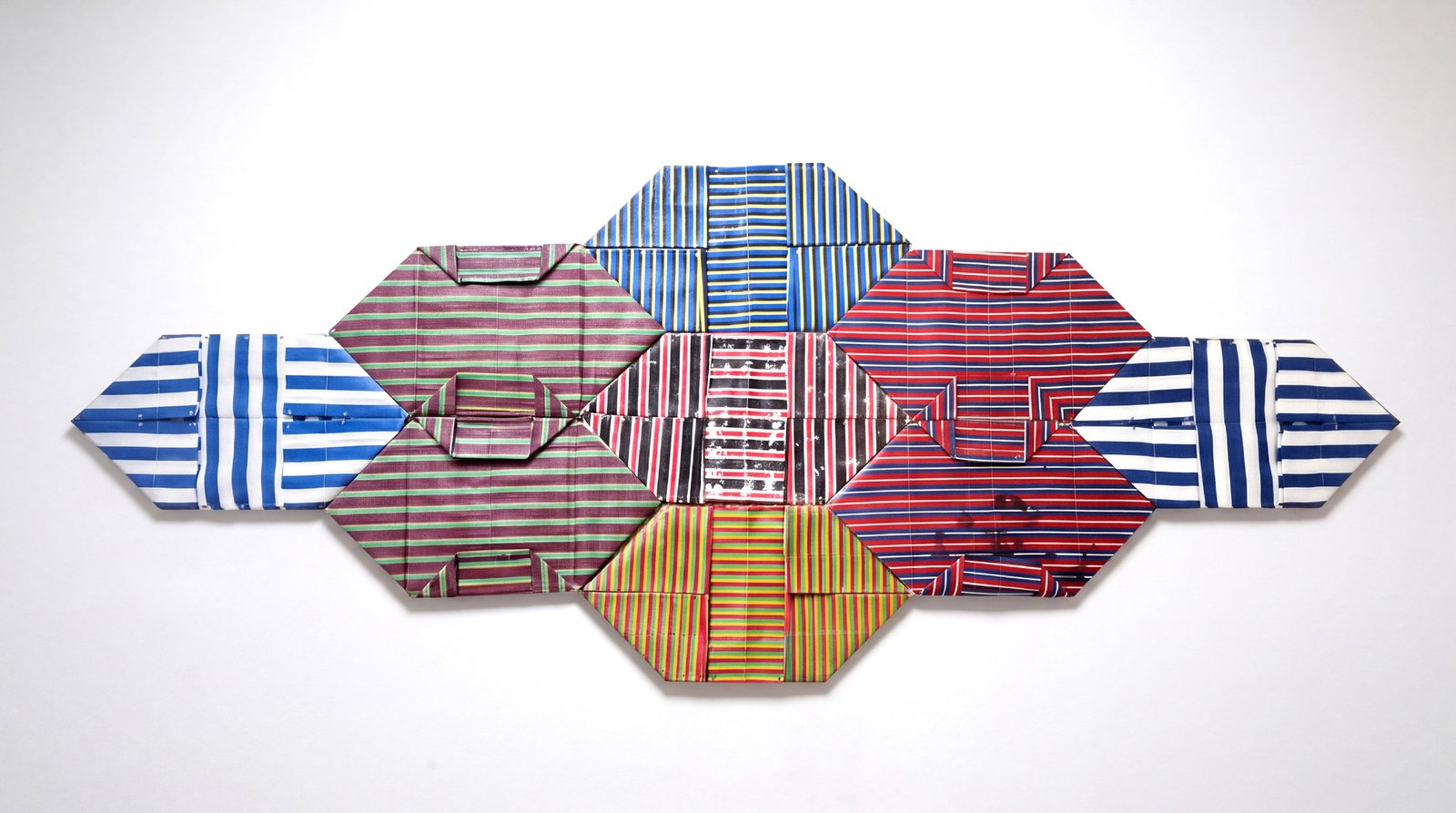
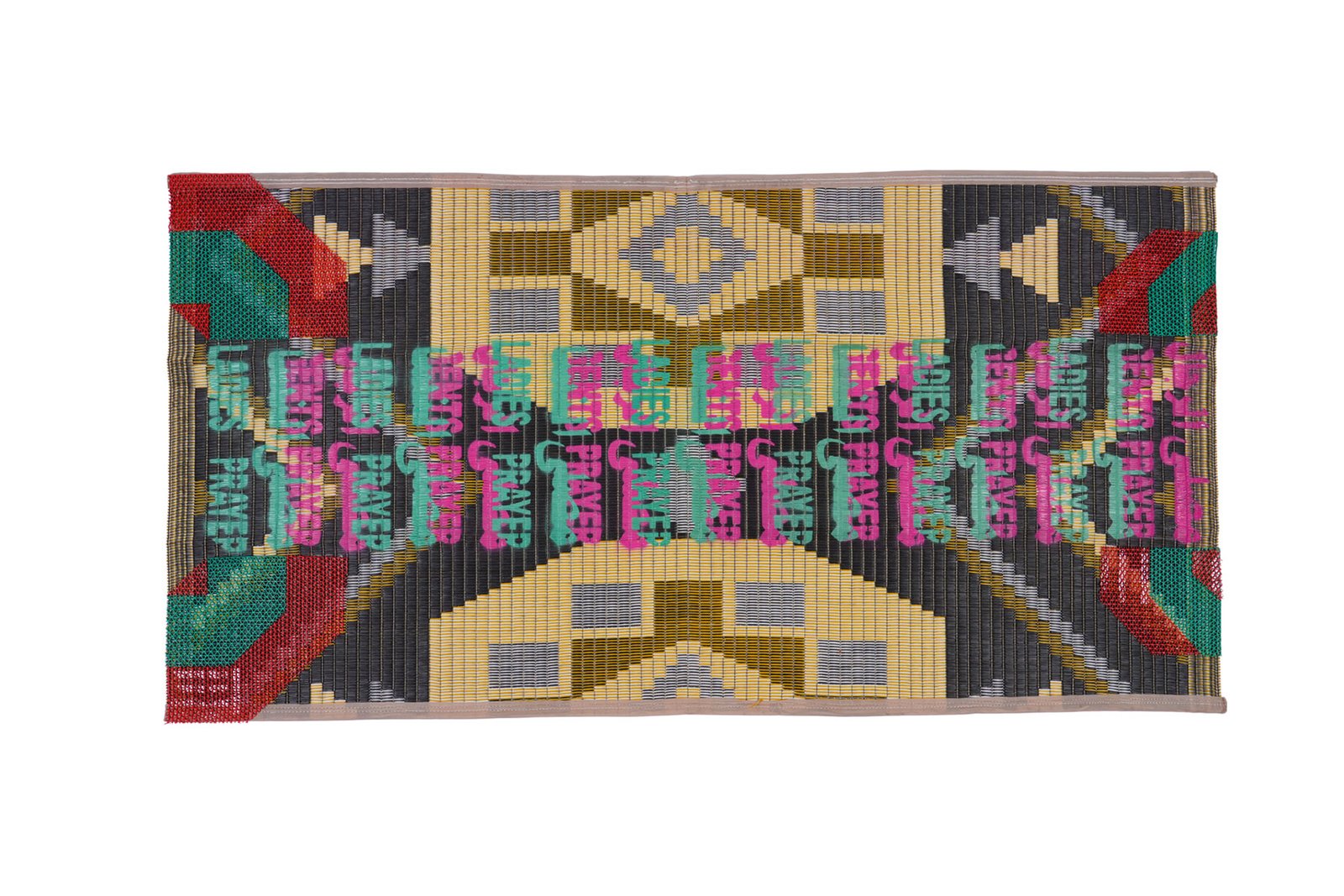
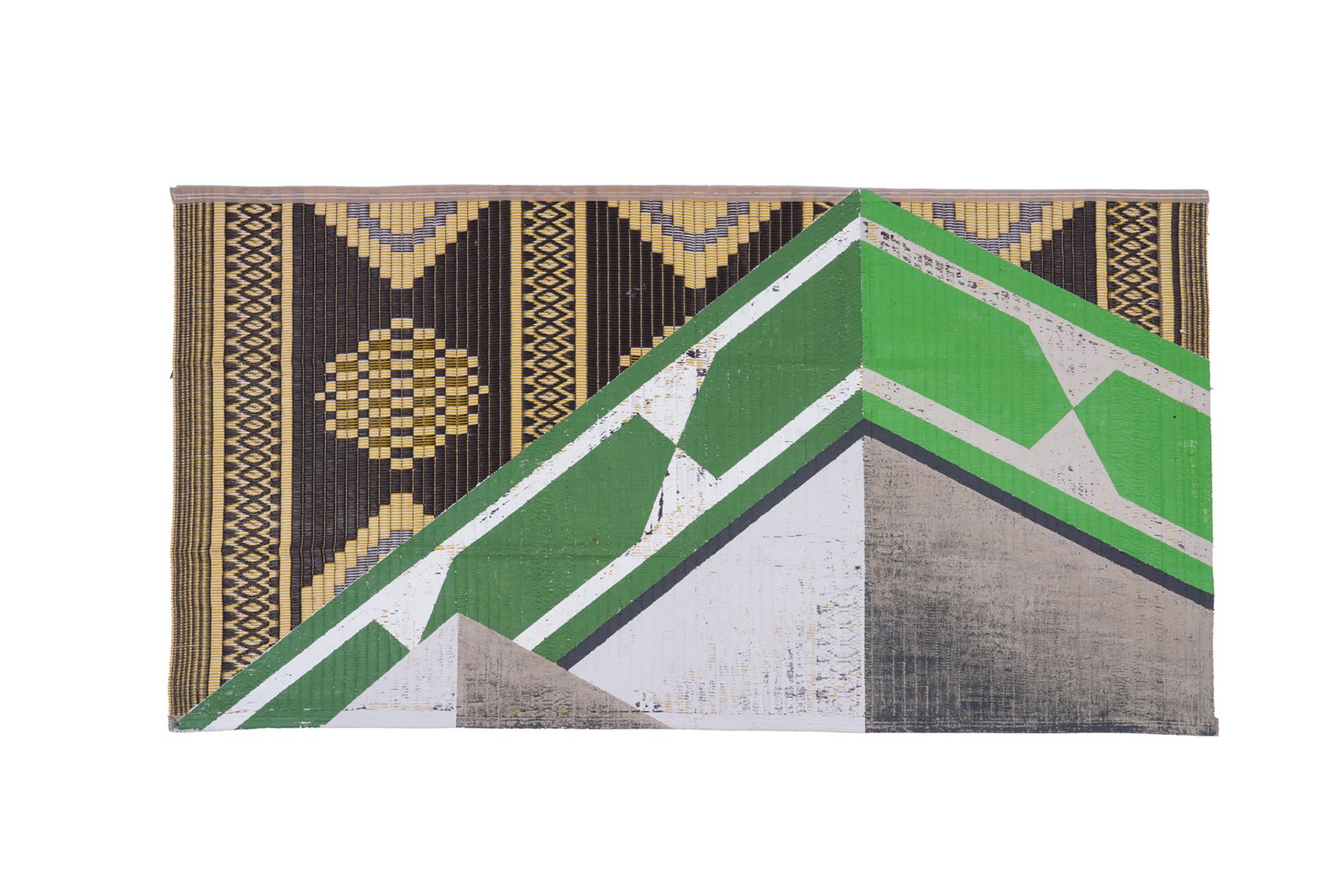
The artwork details identify Mens Prayer, Ladies Prayer I as a 2024 work made with paint, rubber mat and straw mat. In Fascia I, also from 2024, paint and straw mat bring architectural geometry into contact with a patterned surface.
They offer a straightforward way into the exhibition: start with the material, then consider the form it carries. What feels familiar? What becomes noticeable only when it is isolated from its usual setting? There is no need to turn that exercise into a hunt for a single correct interpretation.
Another work, Instant Minaret I, reduces an architectural gesture to a small object made from paint, filler and board. Its scale shifts attention away from a skyline and towards the practical signals by which a place can be recognised.
Before You Visit
Tashkeel’s current exhibition listing gives the public run as 24 October–26 November 2026. Use that official closing date when planning; the original announcement carried a different end date.
The venue is Tashkeel Nad Al Sheba, at the intersection of streets 5 and 20 in Nad Al Sheba 1—not its Alserkal Avenue makerspace. Check current opening hours and visitor arrangements directly with the venue, especially if you need specific access support.
The exhibition is an invitation to pay closer attention, not to enter or photograph private prayer spaces. Its most transferable idea can be practised without doing either: notice the small accommodations through which people make room for one another.