A design festival can be a chance to make something, rather than spend a day looking at what other people have made. The trick is to choose a session that fits your age group, budget and available time before you arrive.
Dubai Design Week’s Maker Space programme takes place in a pop-up space made by MillerKnoll at Dubai Design District, or d3. Its 3–8 November 2026 schedule mixes free walk-ins with paid sessions requiring registration. These four options offer different ways into the programme, without trying to turn one visit into a marathon.
Four Sessions to Compare
- Developing Ideas into Objects: University of the Arts London, Thursday 5 November, 4.30–6.30pm. Ages 16 and over; free; walk-in.
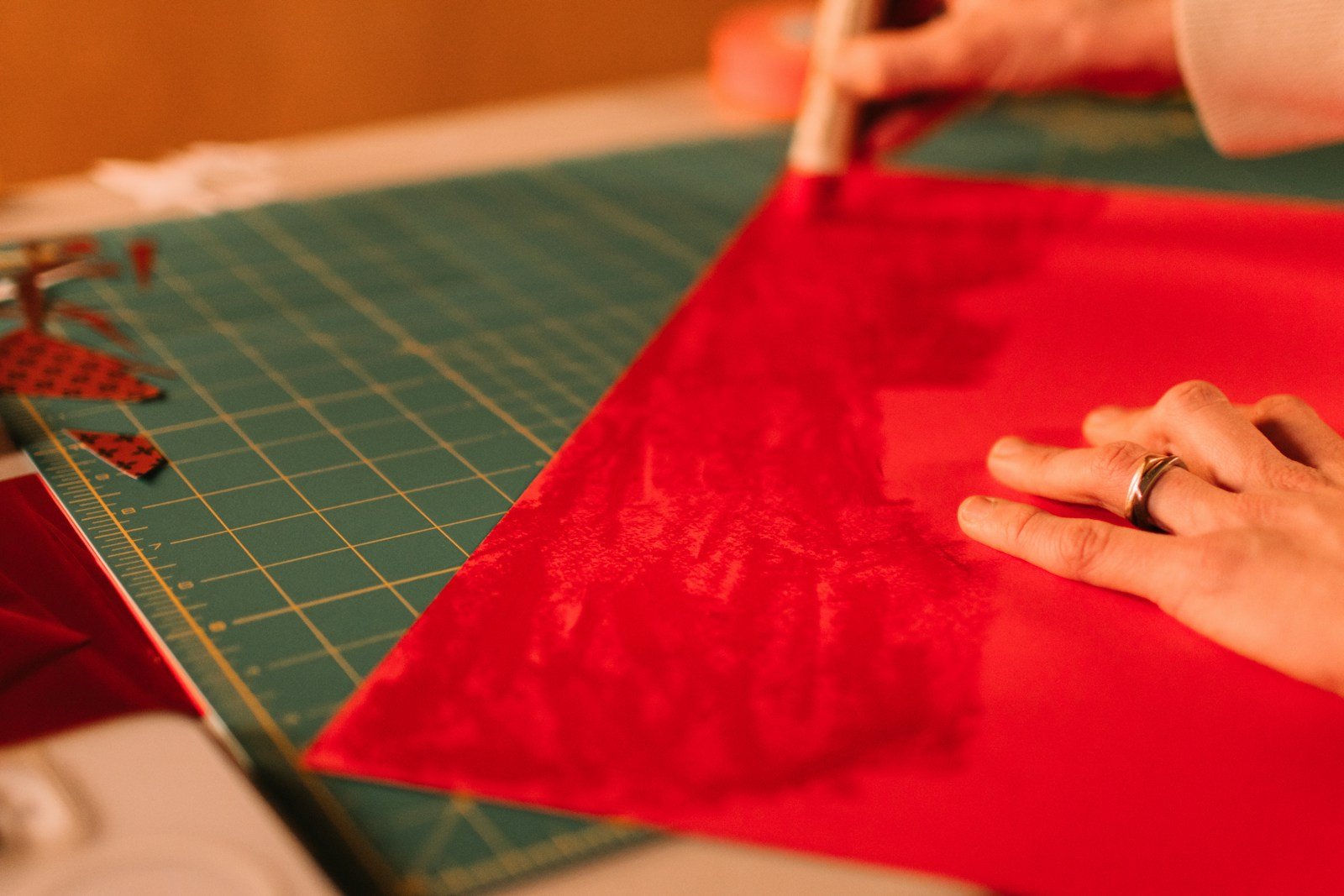
- Textiles Reworked: Makers on the Move, Friday 6 November, 11.30am–1.30pm. Ages 12 and over; AED150; registration required.
- Geometries of the Imagination: Dubai Collection, Sunday 8 November, 10.30am–noon. Ages 6–16; free; walk-in.
- Imagining Future Cities: HKS Architects, Sunday 8 November, 12.30–2.30pm. Ages 5–14; free; walk-in.
Times are for the Dubai event. The organiser’s current downloadable schedule is the reference for the listed ages, fees and entry arrangements; check it again before travelling in case the programme changes.
Start with One Good Fit
For an older teenager or adult testing an interest without committing to a fee, the Thursday session is a useful place to start. Someone who already enjoys working with fabrics may prefer to reserve time and budget for the Friday option. These are different decisions: “free” answers the cost question, but not whether the subject will hold your attention.
For a family with younger children, Sunday offers two age-specific choices. Match the published range to each child rather than assuming a session described as family-friendly suits everyone. A five-year-old falls within the listed range for Imagining Future Cities, but not Geometries of the Imagination. A 16-year-old fits the listed range for Geometries of the Imagination, but not Imagining Future Cities.
Do not feel obliged to do both. One session with time to arrive calmly, take a break and talk about what you tried can make a more manageable outing than a tightly packed timetable.

What to Check before Committing
A walk-in label is not a reserved place. The published schedule does not state the remaining capacity, so avoid building an entire day around guaranteed entry. For a session marked “register”, follow the organiser’s registration route and check that your booking is confirmed rather than treating the timetable as a ticket.
Before paying, check what the fee includes, whether materials are provided and the cancellation terms. Parents should also confirm the supervision arrangements: an age range does not establish that children can be dropped off. If step-free access, seating or another adaptation matters to your visit, ask about the specific space and session rather than assuming all workshops work the same way.
Those details are not confirmed in the schedule reviewed for this guide. They are worth resolving directly through the official workshop page before you make a journey or payment.
Pick the activity that makes you curious, not the one that sounds most impressive. A useful festival visit might leave you with a new question about a material, a process you want to try again, or simply two enjoyable hours away from a screen.
Programme checked on 2 November 2026. All photographs are illustrative stock, not images of the 2026 workshops. Lead: Compagnons; body: Darien Attridge and J D, via Unsplash.